
Curious about the latest culinary buzz, global flavor basics, and creative ways to elevate your meals? This article is designed to satisfy that craving. Whether you’re exploring new ingredients, experimenting with fusion concepts, or looking for practical kitchen prep tips, you’ll find clear, actionable guidance that turns inspiration into something delicious on your plate.
We’ve gathered insights from seasoned chefs, food trend analysts, and hands-on kitchen testing to ensure every idea shared here is both exciting and achievable. From mastering foundational techniques to diving into bold Toaf taste experiments and unexpected food combinations, this guide helps you expand your flavor horizons with confidence.
If your goal is to cook smarter, experiment fearlessly, and understand the “why” behind great flavor pairings, you’re in the right place. Let’s explore what’s trending, what’s timeless, and how you can bring it all together in your own kitchen.
Salt and pepper are classics—but who decided they get the final say? If your meals feel predictable, you’re not alone. Culinary boredom happens when we default to safe pairings and forget that flavor is flexible. This article explores bold, delicious combinations that elevate everyday dishes without fancy techniques. Think chocolate and chili on roasted vegetables or watermelon and feta with cracked black pepper.
To experiment confidently:
- Start with contrast (sweet + heat).
- Balance texture as well as taste.
- Test in small batches first.
Pro tip: add acid last to brighten flavors. Curiosity is your best ingredient here.
The Art of Contrast: Why Unlikely Pairings Succeed
The first time I tasted dark chocolate with sea salt, I flinched (chocolate is supposed to be sweet, right?). But that sharp salinity made the cocoa taste deeper, richer—alive. That’s the core principle of flavor pairing: balancing the five basic tastes—sweet, sour, salty, bitter, and umami—alongside texture. Creamy meets crunchy. Bright meets earthy. The goal isn’t chaos; it’s harmony.
A key concept is the flavor bridge—shared chemical compounds that link unlikely ingredients. Think strawberries and basil. They work because they share aromatic molecules, even if they seem worlds apart.
When I experiment at home, I use a simple framework:
- If it grows together, it goes together (tomatoes and olive oil).
- Opposites attract (rich pork with sharp pickles).
Some argue strange pairings are gimmicks. I disagree. When contrast is intentional, it creates balance—like a great plot twist that somehow makes perfect sense.
Sweet Meets Savory: Unexpected Fruit and Herb Fusions
The first time I drizzled balsamic vinegar over strawberries, my friends looked at me like I’d lost a bet. But one bite changed everything. Strawberry & Balsamic Vinegar with Black Pepper works because acid (a sour compound that brightens flavor) cuts through the berry’s natural sugars, keeping it from tasting flat. Freshly cracked black pepper adds pungency—a sharp, aromatic heat that lingers. I’ve spooned this over grilled chicken for a glossy finish, and yes, even over vanilla ice cream (trust me, it’s a plot twist worthy of a cooking show finale).
Then there’s Watermelon & Feta Cheese with Mint, my go-to at summer cookouts. The salty feta amplifies the watermelon’s sweetness through contrast, while mint delivers a cooling effect thanks to menthol, a natural compound that triggers cold-sensitive receptors. To make it: cube watermelon, crumble feta, tear fresh mint, drizzle olive oil, squeeze lime, and finish with flaky salt. Toss gently and chill for 10 minutes. It disappears fast.
Finally, Mango & Chili Powder with Lime reminds me of street vendors dusting fruit with spice. The tropical sweetness meets capsaicin—the compound that makes chilies hot—while lime adds citrusy tang. I love it over fish tacos, but it shines solo as a quick snack.
Some argue fruit belongs in desserts, period. I used to agree. Yet unexpected food combinations prove flavor rules are more flexible than we think. Start small, taste as you go, and let contrast do the heavy lifting.
Earthy Meets Pungent: Bold Combinations from the Ground Up
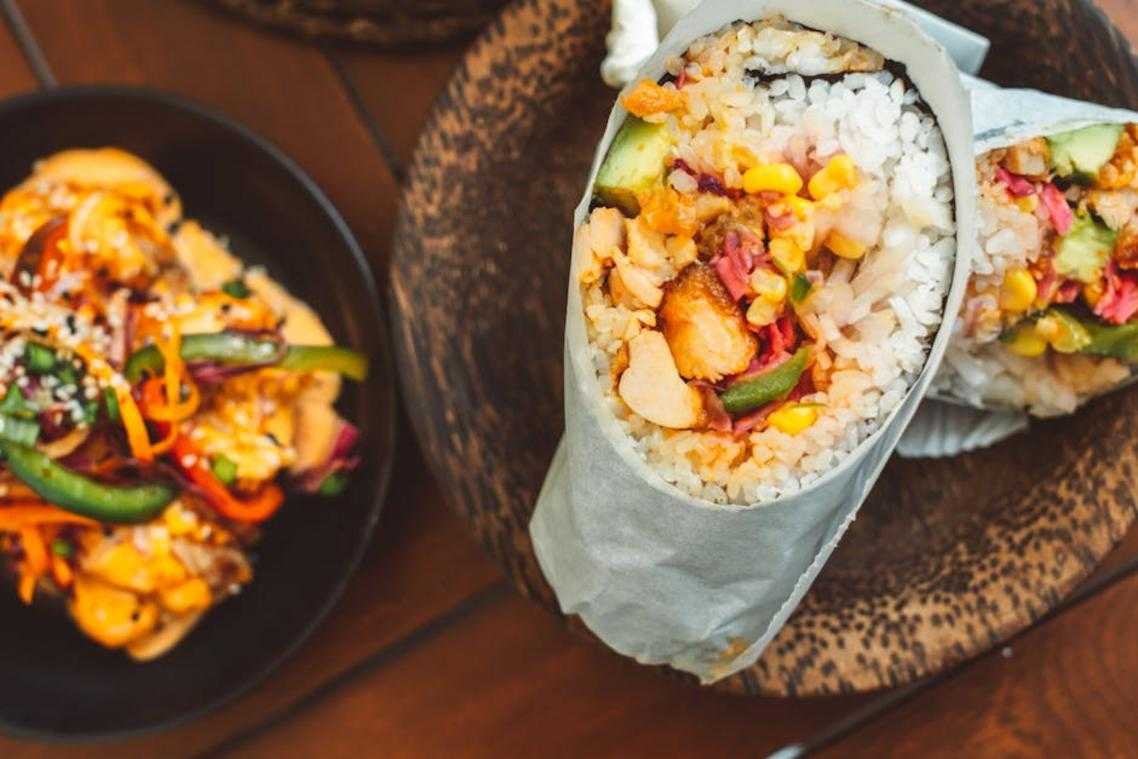
Some flavor pairings feel inevitable. Others feel… questionable (at least at first bite). And I’ll admit—earthy and pungent combinations can be divisive. Not everyone wants their dessert flirting with vegetables or their coffee rubbing shoulders with fungi. But when balanced well, these pairings create depth you simply can’t fake.
Mushroom & Coffee
Mushrooms are rich in umami—that savory, mouth-filling taste often described as brothy or meaty. Coffee brings roasted bitterness and subtle acidity. Together? They amplify each other’s earthiness.
- Coffee-rubbed steak topped with sautéed mushrooms
- Mushroom risotto with a teaspoon of espresso folded in
The bitterness sharpens the fungi’s depth without overpowering it (think forest floor meets café corner). Some argue coffee should stay in mugs, not skillets. Fair. But chefs have long used coffee in savory rubs because roasting compounds—called Maillard reaction byproducts—enhance meatiness (National Institutes of Health).
Dark Chocolate & Avocado
Avocado’s creamy fat acts as a neutral canvas for bitter dark chocolate (70% cacao or higher). The result is mousse that feels indulgent but relies on whole ingredients.
Simple Mousse:
- 1 ripe avocado
- 2 tbsp cocoa powder
- 2 tbsp maple syrup
- Splash vanilla
Blend until silky.
Is it identical to traditional mousse? Not exactly. But it’s surprisingly close (and nutritionally denser, thanks to monounsaturated fats—Harvard T.H. Chan School of Public Health).
Beetroot & Blue Cheese
Sweet roasted beets meet sharp, salty blue cheese in a high-contrast duet. Add walnuts for crunch in a salad, or spread on crostini.
Use unexpected food combinations in the section once exactly as it is given
If you’re skeptical, that’s fair. Flavor is personal. But contrast—sweet versus salty, earthy versus sharp—is the backbone of many sweet and savory flavor pairings that actually work: https://sadatoaf.com/sweet-and-savory-flavor-pairings-that-actually-work/.
Essential Tips for Your Taste Experiments
When you’re trying something new in the kitchen, start small. Test a bold pairing in a spoonful of sauce or as a garnish before committing to the whole dish. This way, if it flops, you’ve only sacrificed a bite—not dinner (we’ve all been there).
Next, mind the ratios. Powerful ingredients like chili oil or blue cheese can easily overpower a plate, so use them sparingly at first. In contrast, milder bases—think rice, pasta, or yogurt—can handle a heavier hand. Adjust gradually and taste as you go.
Just as important, consider texture. Creamy avocado topped with crunchy sea salt works because contrast keeps each bite interesting. The same principle applies when exploring unexpected food combinations.
Before mixing, smell the ingredients together. Aromas reveal compatibility faster than taste alone. Above all, trust your senses. If it delights your palate, you’re on the right track.
Your kitchen is no longer just a place to follow recipes—it’s a flavor laboratory. The most exciting tastes live just beyond the familiar, where sweet meets heat and texture sparks surprise. With principles like balance, contrast, and aroma layering now in your toolkit, you can break free from culinary ruts and cook with intention. For example, try strawberries and black pepper on grilled cheese; the fruit’s brightness amplifies the cheese’s richness. It sounds rebellious (in a good way), yet it works. So this week, choose one bold pairing and experiment. Measure, taste, adjust—and treat dinner like discovery. Start small today.
As you explore these unexpected ingredient combinations, you might be intrigued to consider how the vibrant colors of these dishes can enhance your culinary experience, further highlighted in our article on How Color Influences Our Perception of Food.
Elevate Your Everyday Cooking
You came looking for fresh inspiration, global flavor basics, and creative ways to shake up your routine in the kitchen—and now you have the tools to do exactly that.
From mastering prep shortcuts to experimenting with bold pairings like strawberries and black pepper, dark chocolate and chili, and mango and avocado salsa on grilled steak, you’ve seen how simple twists can transform ordinary meals into unforgettable experiences.
If you’ve been stuck making the same safe dishes, that frustration ends here. Flavor fatigue is real—but it’s fixable when you start thinking beyond the usual combinations and lean into smart, playful experimentation.
Now it’s your move. Pick one new fusion idea, test one unexpected pairing, and upgrade one weekly staple dish. Join thousands of home cooks who rely on our culinary buzz and taste experiments to keep their kitchens exciting. Dive into more flavor guides today and turn your next meal into your best one yet.