
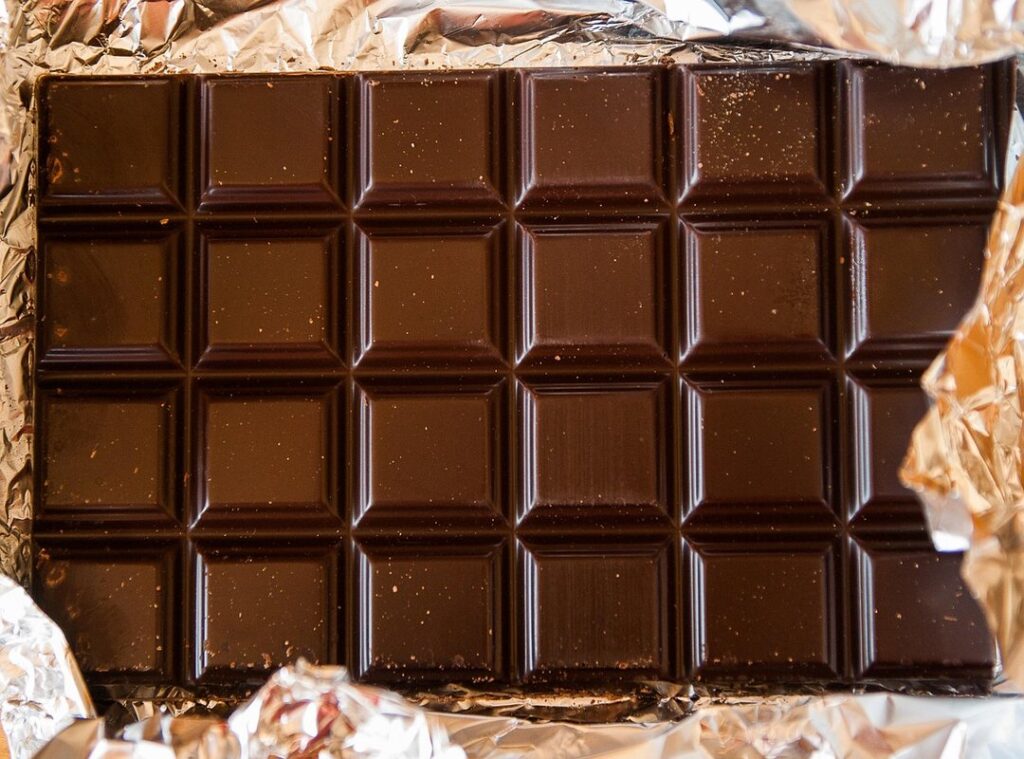
Staring at a wall of craft chocolate bars, feeling lost? Yep, been there. It can be overwhelming, right?
You want to choose the best, but how? This guide will solve that by teaching you a pro method for taste testing chocolate. I’ve spent years diving into global flavors, breaking down complex tastes.
Why trust me? Because I’ve turned confusion into a delicious skill, and you can too.
Imagine tasting chocolate and catching those subtle notes you never knew existed. It’s like unlocking a whole new world in every bite. You might think it’s complicated, but it’s not.
I promise you’ll leave knowing how to taste chocolate like an expert. This isn’t just about picking a bar; it’s about transforming how you enjoy each piece. Ready to start this journey?
Setting the Stage: Your Important Chocolate Tasting Toolkit
Let’s talk about the key setup for taste testing chocolate. You think it’s just about eating the chocolate, right? Wrong.
The preparation phase is everything. It’s like setting the scene for a movie. You wouldn’t watch “Inception” on a tiny phone screen, would you?
Same principle here.
First up, the chocolate itself. Pick 3-5 different single-origin bars. Why?
Because variety is the spice of life (and tasting). Choose bars with varying cacao percentages. 65%, 75%, 85%. To highlight those contrasts.
You want to taste the differences, not just eat a bunch of chocolate.
Next, you need a palate cleanser. This isn’t optional. Plain crackers, a slice of green apple, or sparkling water.
Simple, right? These reset your taste buds, so each chocolate gets a fair shot. Trust me, it makes all the difference.
The environment matters too. You need a neutral-smelling room with good, natural light. Why?
Because you need to see the chocolate’s color and texture without distractions. It’s a visual experience as much as a taste one.
And don’t forget the tools. A glass of room-temperature water for sipping. A notepad or a tasting app for recording your thoughts.
Yes, this is a mindful experiment. You’re not just eating; you’re observing. For more on setting up your first taste experiment guide, check that out.
Dive in and enjoy the experience.
The 5-Step Sensory Method: Discover Chocolate’s True Flavor
I’ve always believed that taste testing chocolate is an art form, not just an eating exercise. You might think it’s as simple as unwrapping a bar and taking a bite, but let me stop you right there. There’s a method to this madness, one that brings out every subtle note.
1. Observe (The Look)
First, we feast with our eyes. Look for a glossy sheen, which suggests good tempering. A deep, rich color is another sign you’ve got something special.
Blemishes? A red flag. These visual cues clue us into quality before the first taste.
2. Listen (The Snap)
Next, the snap. Break off a piece. Hear that clean, sharp sound?
That’s high cocoa butter content. A dull thud means low quality. It’s like comparing a luxury car to a beat-up sedan.
Wouldn’t you prefer the former? The auditory experience is a real indicator.
3. Smell (The Aroma)
Now, inhale deeply. What do you smell? Is it earthy, fruity, nutty, or floral?
This aroma tells us a lot about what’s inside. It’s your chocolate’s way of introducing itself. The nose can pick up subtleties that your tongue might miss at first.
4. Taste (The Palate)
Finally, the main event. Place a small piece on your tongue and let it melt. Don’t rush it by chewing.
Allow the cocoa butter to coat your mouth, releasing those complex flavors. It’s a symphony, with each note playing its part. This is where patience pays off.
For more takeaways, check out this overview.
5. Savor (The Finish)
The finish, or aftertaste, is often overlooked. Does it leave a bitter note, a sweet one, or something else entirely? Notice how flavors evolve.
The best chocolate lingers, like a good memory. It should leave you wanting more.
This isn’t just tasting; it’s an experience. Each step is a chapter in the story of your chocolate. Follow them and discover flavors you didn’t think possible.
It’s more than a treat; it’s a revelation.
Chocolate’s Journey: Discovering Flavors from Afar
Ever wondered why chocolate from different regions tastes so distinct? It’s all about “terroir.” Just like wine, the origin of chocolate plays a dramatic role in its flavor profile. When I first started taste testing chocolate, I was amazed by how the land and climate could create such unique tastes.
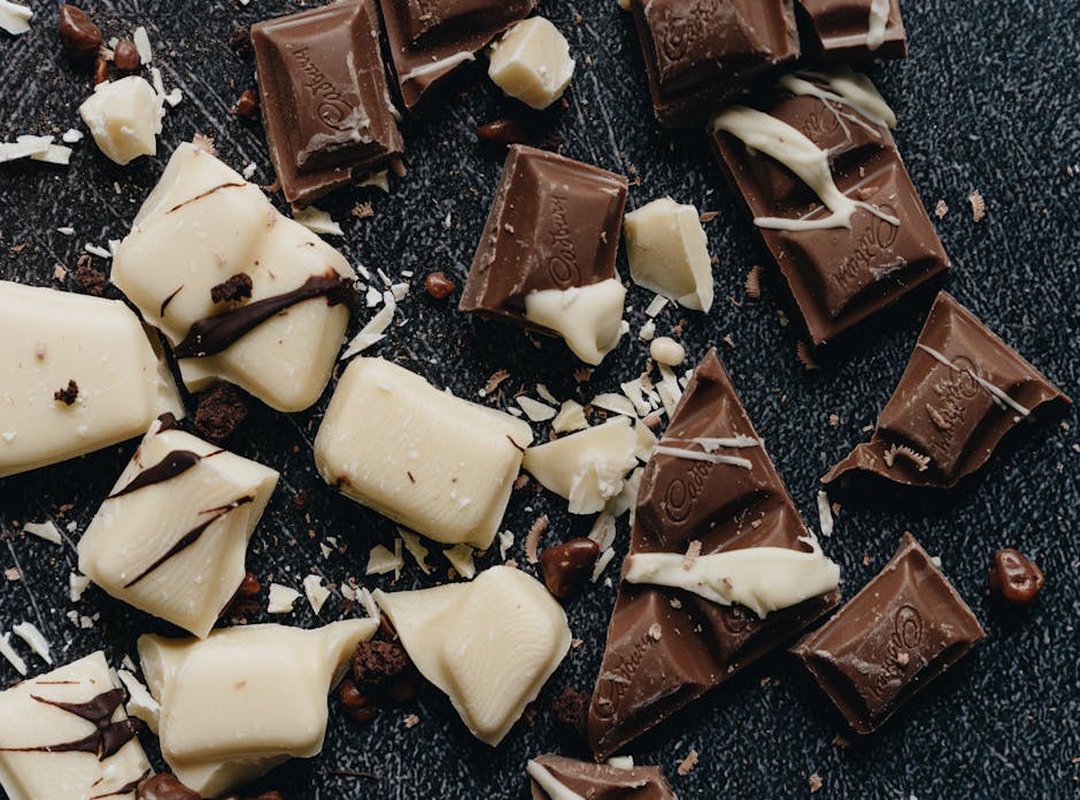
Take Madagascar, for instance. The chocolate here is bright and acidic, with red fruit notes like raspberry and cherry. It’s almost like a summer berry patch in your mouth.
The secret? The island’s soil and climate shape these flavors, making them unmistakable. Does this blow your mind?
It should.
Now, let’s head to Ecuador and explore the Arriba Nacional. Here, you get floral notes like jasmine and an earthy black-currant undertone. A piece from this region is like wandering through a meadow on a crisp morning.
The combination is subtle yet unmistakable. It’s fascinating how a single origin can offer such complex flavors.
Peru brings something entirely different to the table. You might taste dried fruit, a hint of coffee, and a soft earthiness. This chocolate is complex, a bit like a rich mix (minus the fabric).
It’s all about the blend of microclimates and biodiversity.
Vietnam, though, is where things get truly intriguing. Expect notes of spice, tobacco, and figs. Imagine savoring a piece that transports you to a bustling street market, filled with exotic aromas.
This is chocolate that tells a story.
If you want to dive deeper into how these flavors come to be, check out the science behind taste understanding. It’s a great resource for anyone wanting to boost their tasting experience. Linking these flavors back to the five-step tasting process will help you pinpoint these unique notes.
So next time you sample chocolate, think of where it’s from and let the flavors speak for themselves.
Host Your Own Tasting: Pairings and Presentation
Ever thought about taking your taste testing chocolate skills from personal to social? Hosting a tasting party might be just what you need. Start with some classic pairings.
High-cacao chocolate with coffee or red wine is a no-brainer. Why? The bitter notes harmonize beautifully.
You might raise an eyebrow, but it makes sense once you try it.
Now let’s get a bit adventurous. Fruity chocolates, especially those from Madagascar, pair well with berries or even goat cheese. Yes, goat cheese.
It’s a surprising twist that brings out the chocolate’s fruity notes. Feeling bold? Try a slightly spicy chocolate with a sweet, mild tea.
The contrast is thrilling.
When hosting, presentation matters. Arrange chocolates by cacao percentage, lowest to highest. It’s not just for aesthetics.
This order helps guests appreciate the flavor progression. Ever used a tasting wheel? It’s a game-changer.
You can guide your guests through the five steps of tasting with it. And flavor notes cards? They’re practical and fun.
They provide a roadmap for the palate.
Pro tip: Keep the group small. Intimate settings build conversation and deeper appreciation. You’ll find guests engaging more when they’re not overwhelmed by numbers.
Isn’t that the point of hosting, anyway? To create a shared experience where the flavors are the stars. So, ready to raise your gatherings?
Dive Into Your Chocolate Adventure
Feeling overwhelmed by the world of chocolate? I get it. But let me tell you, anyone can master the art of taste testing chocolate.
This isn’t just for experts. Our 5-step method simplifies the chaos. Understanding chocolate origins will deepen your appreciation and enjoyment.
Next time you shop, pick up three unique chocolate bars. Use this guide to savor your first official tasting. It’s time to transform confusion into confidence and pleasure.
Let’s turn your curiosity into a delicious journey. Sadatoaf.com is here to guide you every step. Ready to taste the difference?
 Head of Culinary Content & Flavor Research
There is a specific skill involved in explaining something clearly — one that is completely separate from actually knowing the subject. Randolph Mountainearestic has both. They has spent years working with global flavor basics in a hands-on capacity, and an equal amount of time figuring out how to translate that experience into writing that people with different backgrounds can actually absorb and use.
Randolph tends to approach complex subjects — Global Flavor Basics, Culinary Buzz, Curious Insights being good examples — by starting with what the reader already knows, then building outward from there rather than dropping them in the deep end. It sounds like a small thing. In practice it makes a significant difference in whether someone finishes the article or abandons it halfway through. They is also good at knowing when to stop — a surprisingly underrated skill. Some writers bury useful information under so many caveats and qualifications that the point disappears. Randolph knows where the point is and gets there without too many detours.
The practical effect of all this is that people who read Randolph's work tend to come away actually capable of doing something with it. Not just vaguely informed — actually capable. For a writer working in global flavor basics, that is probably the best possible outcome, and it's the standard Randolph holds they's own work to.
Head of Culinary Content & Flavor Research
There is a specific skill involved in explaining something clearly — one that is completely separate from actually knowing the subject. Randolph Mountainearestic has both. They has spent years working with global flavor basics in a hands-on capacity, and an equal amount of time figuring out how to translate that experience into writing that people with different backgrounds can actually absorb and use.
Randolph tends to approach complex subjects — Global Flavor Basics, Culinary Buzz, Curious Insights being good examples — by starting with what the reader already knows, then building outward from there rather than dropping them in the deep end. It sounds like a small thing. In practice it makes a significant difference in whether someone finishes the article or abandons it halfway through. They is also good at knowing when to stop — a surprisingly underrated skill. Some writers bury useful information under so many caveats and qualifications that the point disappears. Randolph knows where the point is and gets there without too many detours.
The practical effect of all this is that people who read Randolph's work tend to come away actually capable of doing something with it. Not just vaguely informed — actually capable. For a writer working in global flavor basics, that is probably the best possible outcome, and it's the standard Randolph holds they's own work to.