
Street food is a global love affair we can’t shake off. It’s the heartbeat of cities, a true reflection of culture on a plate. Ever wondered why we are so obsessed with these roadside bites?
The history street foods hold is rich, lively, and tells stories of migration, innovation, and survival. We’re not just talking about snacks; we’re diving into centuries of culinary evolution. (And yes, those skewers and dumplings have ancient tales to tell.)
Some argue it’s about flavor, but I think it’s deeper. It’s about connection (people,) places, and pasts. You can taste a city’s essence in its street food.
But how did these dishes travel across continents and time? How did they shape and reshape themselves?
In this article, you’ll explore the origins, the journeys, and the incredible diversity of street foods worldwide. With takeaways from culinary experts, you’ll see why these foods endure and thrive. Ready to dig in?
Beyond the Cart: The Anatomy of a Culinary Tradition
What makes street food more than just a meal on the go? It’s history, technique, and culture. It’s not just popular or sold outdoors.
Take roasted chestnuts in Europe during winter. They warm hands and hearts, and they’re a reminder of past winters and family stories shared around a fire.
First, historical context. Many of these foods were born out of necessity. They were crafted for laborers or during times of scarcity.
Then there’s the technique. Think about the vertical spit for shawarma or the specialized wok for stir-fried noodles. These aren’t just tools.
But let’s not forget cultural significance. Street foods often become symbols of national pride or community gathering points. They’re more than snacks; they’re a piece of identity.
They’re keys to unlocking flavor.
Vendors pass these recipes down, each adding a unique touch. It’s like a living history, evolving with each generation.
Doesn’t this make you hungry for more? If you’re curious about how foraging ties into cuisine traditions, check out this exploration wild foraging cuisine. It’s fascinating how history street foods intertwine with our daily lives.
Asian Street Food: Flavor and Efficiency
Ever wondered why Asian street food is so irresistible? It’s not just about taste. It’s a masterclass in blending flavor and efficiency.
Asia, with its bustling streets and lively markets, is where food becomes art. to some iconic examples.
Take Banh Mi from Vietnam. A baguette sandwich, sure, but it’s more than that. French colonialism brought the baguette, but the Vietnamese transformed it.
Pickled vegetables, savory meats, fresh herbs. It’s a delicious symbol of cultural fusion. A resilience.
You bite into history, literally. Each component tells a story of adaptation and ingenuity.
Then there’s Takoyaki from Japan. Ever seen those little round balls being made? It’s mesmerizing.
Post-war Osaka needed affordable snacks, and Takoyaki was born. A specialized cast-iron pan, batter, octopus. The technique is precise, like watching a performance.
It’s not just food; it’s a communal experience. People gather, share, enjoy. Regional pride wrapped in a crispy sphere.
And what about Vada Pav from India? Mumbai’s answer to a quick meal. Workers needed something cheap and filling.
Enter the spicy potato fritter stuffed in a soft bread roll. Simple, yet deep. It’s the heartbeat of Mumbai.
These dishes aren’t just meals; they’re narratives. They speak of history, culture, survival. If you’re curious about how street foods have shaped cultures, check out this history street foods link.
A cultural icon that reflects the city’s spirit and hustle.
Street food is more than sustenance. It’s an experience. A connection.
A journey through time. So, next time you grab a bite on the street, think about what you’re really tasting. It’s not just food; it’s history on a plate.
Latin American Street Food: A Delicious Fusion
When we talk about history street foods, it’s hard not to start with maize. This staple crop is the backbone of Latin American cuisine, woven into every dish from tacos to arepas. It’s incredible how indigenous ingredients met European influences to create something entirely new.
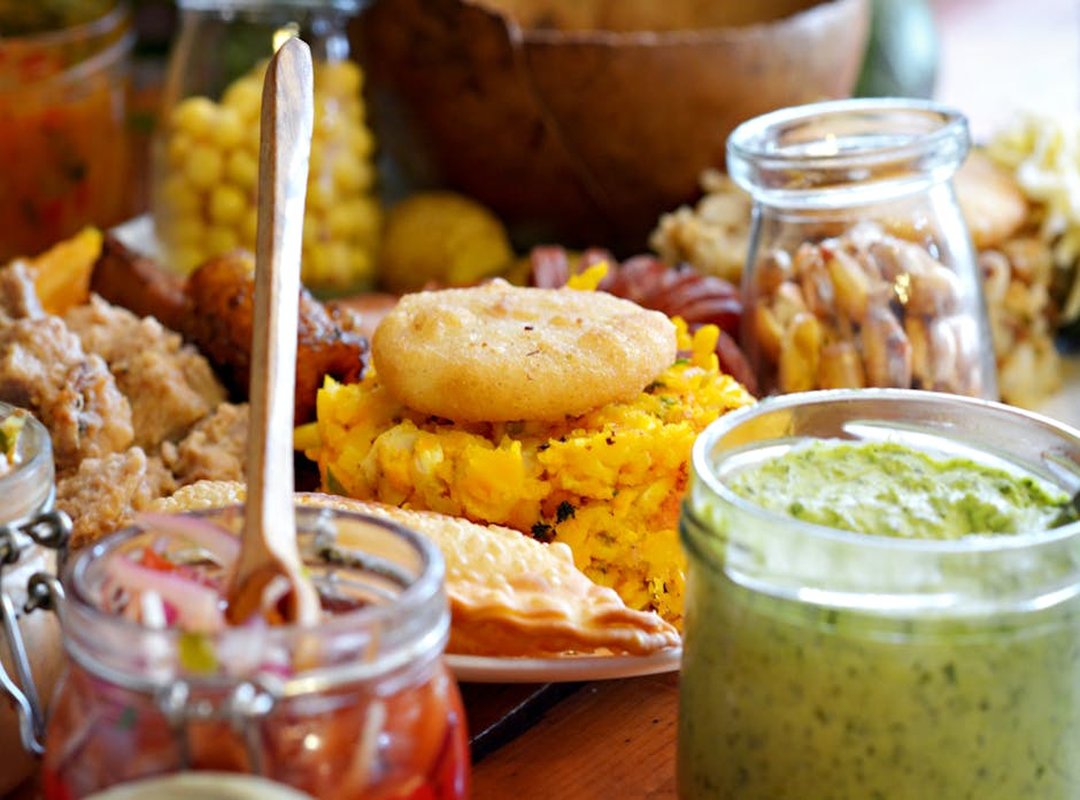
Take tacos al pastor, for instance. Lebanese immigrants introduced the shawarma spit to Mexico, a seemingly small cultural exchange that led to a culinary revolution. By swapping lamb for pork and adding achiote and chiles, Mexicans made it their own.
Now, it’s a beloved tradition that represents Mexico’s ability to adapt and innovate.
Arepas are another fascinating example. Originating in Venezuela and Colombia, they started as a simple daily bread for indigenous peoples. Today, their simplicity is their strength.
You can fill them with anything from cheese to shredded beef. They’re more than food; they’re a symbol of national identity. It’s remarkable how something so basic can be so versatile.
Let’s not forget the concept of ‘antojitos,’ or little cravings. These bites are the heartbeat of Latin American street food. They’re not just snacks; they’re a social experience.
Gathering around a food stand is an integral part of daily life. It’s a tradition that keeps cultures connected, one bite at a time.
Want to learn more about how globalization is changing palates? This guide explores how culinary traditions evolve under global influences. It’s fascinating to see how cultures adapt and change while holding onto their roots.
Street food is a that balance. Sure, it’s delicious. But it’s also a history lesson on a plate.
History on a Skewer: Street Flavors That Last
Isn’t it fascinating how history street foods connect us to ancient traditions? Take the döner kebab or gyro for instance. These aren’t just delicious; they’re pieces of living history.
Both Turkey and Greece claim ownership, tracing back to the Ottoman Empire. Each has its flair. Döner goes heavy on lamb and beef, while gyro dances with pork.
The bread? Oh, that’s a whole other story. Pita in Greece, flatbread in Turkey.
And the sauces! Tzatziki versus spicy red sauce. It’s a tale of a shared past and unique identities.
Now, let’s talk crêpes. Everyone thinks of them as fancy treats, but in France, especially Brittany, they’re the original fast food. Savory buckwheat galettes are a nod to regional agriculture, showcasing simple yet high-quality ingredients.
The French knew how to do farm-to-table before it was cool. They’re not just a dessert; they’re a timeless meal, still enjoyed on bustling streets everywhere.
These foods aren’t just about taste. They’re global ambassadors for their cultures. Immigrant communities have carried these recipes across borders, preserving their traditions while adapting to new lands.
Each bite is a history lesson wrapped in flavor. Rich with stories and memories.
So, next time you munch on these street foods, remember, you’re part of a culinary timeline. The world might change, but these tastes endure. They thrive on street corners from New York to Tokyo.
Ever thought about how food unites us, past and present? It’s all about the journey of flavors.
Taste the World on a Plate
Street food is more than just a quick bite. It’s a tale of culture, history, and community. You now know that every dish carries a story.
Transforming a meal into a rich experience. We’ve all been guilty of eating without understanding, but recognizing the history street foods offer is the key to appreciating them deeply.
Next time you’re at a food truck, don’t just grab a meal. Engage. Ask about the origins.
The solution to bland dining is curiosity. Dive into the cultural narratives behind the flavors. It’s not just food; it’s a connection.
Hungry for a real taste of the world? Start your journey now. Visit sadatoaf.com for more takeaways and let your culinary adventure begin.
 Head of Culinary Content & Flavor Research
There is a specific skill involved in explaining something clearly — one that is completely separate from actually knowing the subject. Randolph Mountainearestic has both. They has spent years working with global flavor basics in a hands-on capacity, and an equal amount of time figuring out how to translate that experience into writing that people with different backgrounds can actually absorb and use.
Randolph tends to approach complex subjects — Global Flavor Basics, Culinary Buzz, Curious Insights being good examples — by starting with what the reader already knows, then building outward from there rather than dropping them in the deep end. It sounds like a small thing. In practice it makes a significant difference in whether someone finishes the article or abandons it halfway through. They is also good at knowing when to stop — a surprisingly underrated skill. Some writers bury useful information under so many caveats and qualifications that the point disappears. Randolph knows where the point is and gets there without too many detours.
The practical effect of all this is that people who read Randolph's work tend to come away actually capable of doing something with it. Not just vaguely informed — actually capable. For a writer working in global flavor basics, that is probably the best possible outcome, and it's the standard Randolph holds they's own work to.
Head of Culinary Content & Flavor Research
There is a specific skill involved in explaining something clearly — one that is completely separate from actually knowing the subject. Randolph Mountainearestic has both. They has spent years working with global flavor basics in a hands-on capacity, and an equal amount of time figuring out how to translate that experience into writing that people with different backgrounds can actually absorb and use.
Randolph tends to approach complex subjects — Global Flavor Basics, Culinary Buzz, Curious Insights being good examples — by starting with what the reader already knows, then building outward from there rather than dropping them in the deep end. It sounds like a small thing. In practice it makes a significant difference in whether someone finishes the article or abandons it halfway through. They is also good at knowing when to stop — a surprisingly underrated skill. Some writers bury useful information under so many caveats and qualifications that the point disappears. Randolph knows where the point is and gets there without too many detours.
The practical effect of all this is that people who read Randolph's work tend to come away actually capable of doing something with it. Not just vaguely informed — actually capable. For a writer working in global flavor basics, that is probably the best possible outcome, and it's the standard Randolph holds they's own work to.