

Craving dishes that feel like home but curious about where they came from and how to reinvent them? This article explores the history of comfort foods while showing you how global flavors, creative fusion ideas, and smart kitchen prep can transform familiar favorites into something exciting and new.
Many home cooks love classic comfort meals but want deeper insight into their origins and practical ways to elevate them. Here, you’ll discover how traditional staples evolved across cultures, how flavor pairings developed over time, and how to experiment confidently with modern twists.
To ensure accuracy and depth, this guide draws on culinary research, global food traditions, and tested kitchen techniques used by experienced cooks. Whether you’re looking to understand the roots of your favorite dishes or bring fresh energy to your weekly menu, you’ll find flavorful inspiration and practical tips to make every meal more meaningful.
From smoky ancient hearths to gleaming modern kitchens, nourishing food has always told a story. Early stews simmered slowly, filling the air with the scent of bone broth and wild herbs, sustaining families through harsh winters. Over time, these survival staples evolved; spices crackled in hot oil, grains softened into fragrant porridge, and recipes crossed borders. Some argue traditional dishes are heavy or outdated. Yet the history of comfort foods in the section once exactly as it is given reveals balance, fermentation, and seasonal wisdom. Today, you can reimagine them—lighter broths, brighter vegetables—while keeping that soul-warming depth. On your table.
The Blueprint of Nourishment: What Made Ancient Dishes So Healthy?
Ancient diets weren’t “superfood” trends—they were simply built on WHOLE, unprocessed ingredients. Seasonal vegetables, whole grains, legumes, nuts, and lean proteins formed the base of daily meals. Because food was local and fresh, it retained more nutrients and fewer additives (no mysterious ingredient lists to decode). Think barley stews, lentil porridges, roasted root vegetables, and grilled fish straight from nearby waters.
But ingredients were only half the story. Traditional cultures mastered techniques that made food more digestible and nutrient-dense:
• Fermentation: Kimchi and sauerkraut develop beneficial bacteria that support gut health (Harvard Health notes fermented foods can enhance microbiome diversity).
• Slow-cooking: Bone broths and stews gently extract minerals like calcium and collagen from bones.
• Sprouting: Soaking lentils or grains before cooking reduces antinutrients like phytic acid, improving mineral absorption.
Pro tip: Soak dried beans overnight with a splash of vinegar, then rinse before cooking. You’ll improve texture and digestion.
Global cuisines showcase these principles beautifully. The Mediterranean Diet centers on olive oil, tomatoes, leafy greens, and slow-simmered legumes—linked to lower heart disease risk (NEJM, 2013). Traditional Japanese meals pair miso soup, sea vegetables, rice, and small portions of fish, emphasizing balance and fermentation.
Skeptics argue modern fortification makes old methods unnecessary. True, we can add vitamins back in. But ancestral cooking created synergy—nutrients working together, not in isolation.
If you want to apply this blueprint at home:
- SHOP SEASONAL.
- COOK LOW AND SLOW.
- ADD ONE FERMENTED FOOD DAILY.
It’s less about nostalgia and more about rediscovering the history of comfort foods in the section once exactly as it is given—meals designed to nourish body and soul (grandmother-approved, no superhero origin story required).
A World on a Plate: How Global Fusion Evolved Traditional Meals
I still remember the first time I tasted tomato sauce simmered the “old way” in a tiny Italian kitchen—slow, simple, sacred. It struck me as timeless. And yet, tomatoes weren’t even native to Italy. That moment sent me down a rabbit hole into the history of comfort foods and how global exchange quietly reshaped them.
The Great Flavor Exchange
As trade routes expanded in the 15th and 16th centuries, explorers carried ingredients across oceans. This “Flavor Exchange” wasn’t about replacing traditions; it was about layering them. Cuisines kept their nourishing foundations—grains, legumes, broths—but incorporated new elements that added nutrients and taste. (Think of it as a remix, not a rewrite.)
Case Study 1: The Tomato in Italy
Tomatoes, a New World fruit, arrived in Europe in the 1500s. Initially ornamental, they eventually slipped into Mediterranean cooking. Rich in lycopene—an antioxidant linked to reduced heart disease risk (Harvard Health)—tomatoes added acidity and depth to olive oil–based dishes. Pasta didn’t lose its identity; it gained brightness and balance.
Case Study 2: Chili Peppers in Asia
Similarly, capsaicin-rich chilies traveled from the Americas to Asia. Today, Thai curries, Indian dals, and Sichuan stir-fries feel incomplete without them. Capsaicin may boost metabolism and provide anti-inflammatory effects (National Institutes of Health). The heat didn’t overpower tradition; it amplified it.
And when I think about what makes street food so appealing across cultures, I realize it’s this very adaptability.
The Fusion Principle
The best culinary evolutions respect structure. They add complexity—nutritional and flavorful—without erasing roots. Fusion works when it listens first, then seasons.
The Modern Revival: Reimagining Ancestral Recipes for Today’s Table
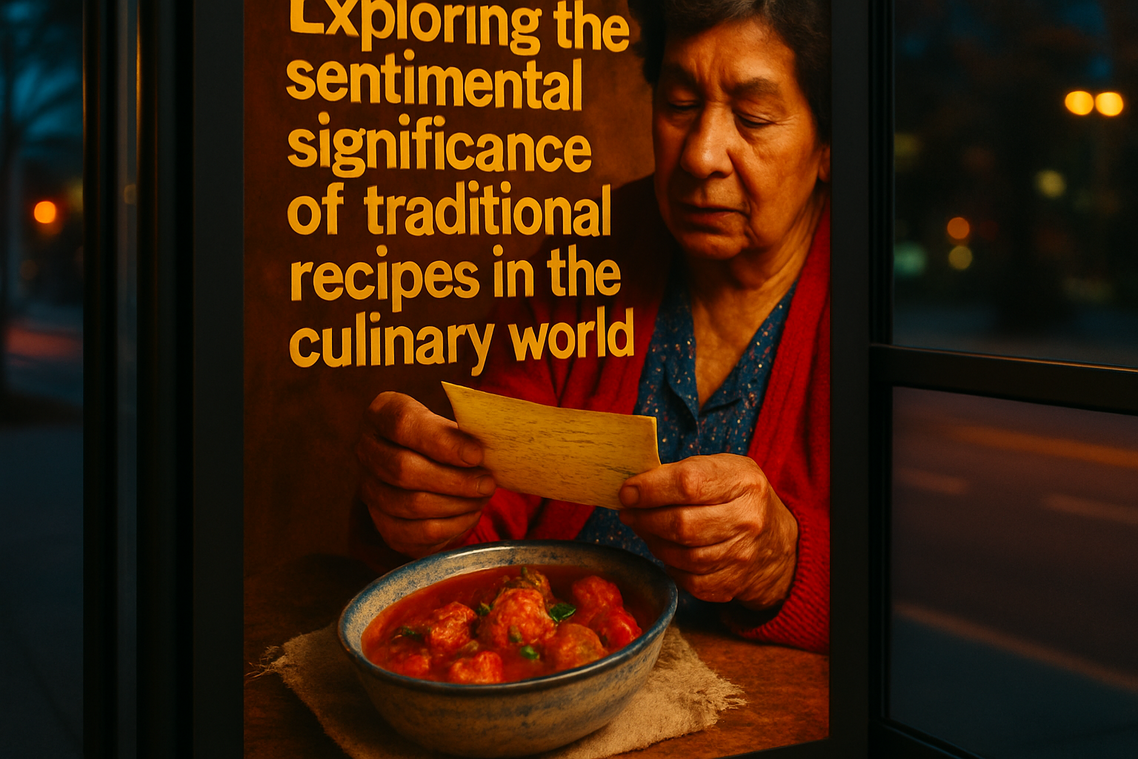
Traditional dishes carry memory, culture, and the history of comfort foods in the section once exactly as it is given—but modern health goals sometimes clash with heavy ingredients and outdated techniques. The good news? You don’t have to abandon heritage recipes to eat well. You just need smarter adaptations.
Technique 1: Intelligent Ingredient Swaps
Small substitutions can dramatically improve nutritional value without sacrificing flavor.
| Traditional Ingredient | Modern Swap | Why It Helps |
|---|---|---|
| White potatoes | Sweet potatoes |
Lower glycemic index; more fiber and vitamin A (Harvard T.H. Chan School of Public Health) |
| Vegetable oil | Avocado oil | Higher smoke point; rich in monounsaturated fats |
| Heavy cream | Greek yogurt | More protein, less saturated fat |
For example, swapping sweet potatoes into a shepherd’s pie keeps the comforting texture but stabilizes blood sugar better. Some argue these changes “ruin authenticity.” But authenticity has always evolved—tomatoes weren’t even in Italian cuisine before the 16th century.
Pro tip: When swapping ingredients, keep one core flavor unchanged (like garlic or fresh herbs) to anchor the dish.
Technique 2: Modernizing Cooking Methods
Love crispy favorites but not deep-frying? An air fryer circulates hot air to mimic frying with significantly less oil (Mayo Clinic notes reduced oil lowers calorie density). Similarly, cut sugar in desserts by blending dates or using monk fruit sweetener—both provide sweetness with less glycemic impact.
Example: Deconstructed Lasagna
Layer zucchini strips instead of pasta, add a lean turkey or lentil-based marinara, and finish with high-quality ricotta. You’ll keep the soul of the dish—just lighter, brighter, and more aligned with today’s table.
Bringing Culinary History Into Your Kitchen
Traditional dishes aren’t museum pieces gathering dust. They’re living frameworks—meant to bend, swap, and simmer along with us. The common belief is that “authentic” means untouched. I disagree. Authenticity has always evolved. Tomatoes weren’t in Italian cuisine until the 16th century; chilies transformed Asian cooking after global trade routes expanded (Columbian Exchange). Tradition adapts—or it disappears.
From whole-food foundations built on grains, legumes, and seasonal produce, to global ingredient fusion sparked by migration, to today’s conscious tweaks—less sugar, more plants, smarter fats—our plates tell a story. Even the history of comfort foods shows that what feels nostalgic was often born from scarcity and creativity (necessity is the best sous-chef).
Here’s your move:
- Give one family recipe a healthy, modern twist this week.
- Explore a new spice or herb to transform a simple dish.
- Try one traditional technique like fermenting vegetables or slow-simmering broth.
Pro tip: Start small—change one element, not the whole dish. Evolution beats reinvention.
As we explore the rich cultural history behind popular comfort foods, it’s fascinating to see how these dishes have evolved over time, much like the diverse offerings featured in our Food Guide at Tbfoodcorner – for more details, check out our Food Guide Tbfoodcorner.
Bringing Comfort Back to Your Table
You came here looking for inspiration that feels both nostalgic and exciting—and now you have a fresh perspective on flavors, techniques, and creative twists that make every meal more meaningful. By exploring global influences, fusion ideas, and even a few bold Toaf experiments, you’ve expanded your kitchen confidence while reconnecting with the history of comfort foods that make dishes truly satisfying.
The truth is, cooking ruts and bland routines can drain the joy out of mealtime. But with the right flavor pairings and prep strategies, you can turn everyday ingredients into memorable comfort dishes that feel both familiar and new.
Now it’s your move: pick one idea, try it this week, and taste the difference for yourself. If you’re ready for more crave-worthy inspiration and proven kitchen tips trusted by thousands of food lovers, explore more recipes and start cooking smarter today.
 Head of Culinary Content & Flavor Research
There is a specific skill involved in explaining something clearly — one that is completely separate from actually knowing the subject. Randolph Mountainearestic has both. They has spent years working with global flavor basics in a hands-on capacity, and an equal amount of time figuring out how to translate that experience into writing that people with different backgrounds can actually absorb and use.
Randolph tends to approach complex subjects — Global Flavor Basics, Culinary Buzz, Curious Insights being good examples — by starting with what the reader already knows, then building outward from there rather than dropping them in the deep end. It sounds like a small thing. In practice it makes a significant difference in whether someone finishes the article or abandons it halfway through. They is also good at knowing when to stop — a surprisingly underrated skill. Some writers bury useful information under so many caveats and qualifications that the point disappears. Randolph knows where the point is and gets there without too many detours.
The practical effect of all this is that people who read Randolph's work tend to come away actually capable of doing something with it. Not just vaguely informed — actually capable. For a writer working in global flavor basics, that is probably the best possible outcome, and it's the standard Randolph holds they's own work to.
Head of Culinary Content & Flavor Research
There is a specific skill involved in explaining something clearly — one that is completely separate from actually knowing the subject. Randolph Mountainearestic has both. They has spent years working with global flavor basics in a hands-on capacity, and an equal amount of time figuring out how to translate that experience into writing that people with different backgrounds can actually absorb and use.
Randolph tends to approach complex subjects — Global Flavor Basics, Culinary Buzz, Curious Insights being good examples — by starting with what the reader already knows, then building outward from there rather than dropping them in the deep end. It sounds like a small thing. In practice it makes a significant difference in whether someone finishes the article or abandons it halfway through. They is also good at knowing when to stop — a surprisingly underrated skill. Some writers bury useful information under so many caveats and qualifications that the point disappears. Randolph knows where the point is and gets there without too many detours.
The practical effect of all this is that people who read Randolph's work tend to come away actually capable of doing something with it. Not just vaguely informed — actually capable. For a writer working in global flavor basics, that is probably the best possible outcome, and it's the standard Randolph holds they's own work to.