

If your pantry feels more like a source of stress than inspiration, you’re not alone. A cluttered space where ingredients disappear behind half-empty boxes often leads to duplicate purchases, forgotten staples, and unnecessary food waste. This guide tackles that frustration head-on, showing you how to transform pantry chaos into a streamlined, functional system that saves time, money, and mental energy during meal prep. Built on a deep understanding of kitchen workflow and culinary efficiency, these practical, easy-to-follow pantry organization tips are designed not just to organize your space—but to help you maintain it effortlessly for the long haul.
Step 1: The Foundation of Order – A Complete Pantry Reset
By creating an organized pantry, you’ll not only streamline your cooking process but also gain inspiration from the latest culinary trends shared on platforms where social media is influencing modern food culture – for more details, check out our How Social Media Is Influencing Modern Food Culture.
If you skip this step, every organizer bin you buy is just decorating chaos. The real reset? EMPTY. EVERYTHING.
Yes—every can, crumb, and mystery jar from 2018. (You’ll find at least one.) This “full extraction method” creates visual clarity, meaning you see the true volume of what you own instead of guessing around clutter.
As you remove items, sort into broad categories: baking, grains, canned goods, snacks, spices, oils, condiments. Think grocery store logic. This makes future restocking intuitive.
Now the ruthless part: check expiration dates. Discard anything expired, stale, or questionably scented. Create a “use soon” box for items nearing their date—challenge yourself to build meals around them this week. Pro tip: plan recipes that rely on solid prep fundamentals like essential knife skills every home cook should master to maximize those ingredients efficiently.
Next, deep clean. Vacuum crumbs, wipe shelves with warm soapy water, and disinfect corners and walls. Let everything dry fully before restocking—MOISTURE breeds spoilage.
Many guides jump straight to containers, but pantry organization tips rarely emphasize this psychological reset. A truly empty space resets decision fatigue and prevents duplicate buying.
Fresh shelves. Clear categories. ZERO guesswork.
That’s not organizing.
That’s reclaiming control.
Step 2: Create Smart Zones for Intuitive Access
After three months of testing different layouts in real home kitchens, one thing became clear: chaos isn’t a space problem—it’s a zoning problem. Enter pantry zoning, the method of assigning a specific purpose to each shelf or section so your ingredients live where they logically belong.
Think of it like city planning for your food. A Breakfast Zone might hold oats, cereals, chia seeds, and nut butters. A Dinner Prep Zone could group pasta, rice, canned tomatoes, and sauces. A Baking Zone gathers flours, sugars, baking powder, and chocolate chips in one reliable hub. When every category has a “home,” you stop hunting and start cooking.
Now layer in kitchen ergonomics—the science of designing spaces for efficient movement. Place your most-used items at eye level. If you reach for quinoa or olive oil daily, that shelf is prime real estate. Heavier bulk items—like large bags of rice or flour—belong on lower shelves (your back will thank you). Meanwhile, specialty ingredients you use once in a blue moon can live up top.
Some people argue zoning feels rigid, claiming it limits spontaneity. Fair point. But in practice, structure actually fuels creativity because you can see what you have. (Even Marie Kondo would nod approvingly.)
Incorporating pantry organization tips like these doesn’t just save seconds—it compounds into hours over a year.
Pro tip: Reevaluate your zones every six months as your cooking habits evolve. Your pantry should adapt with you, not freeze in time.
Step 3: Choose the Right Tools for the Job
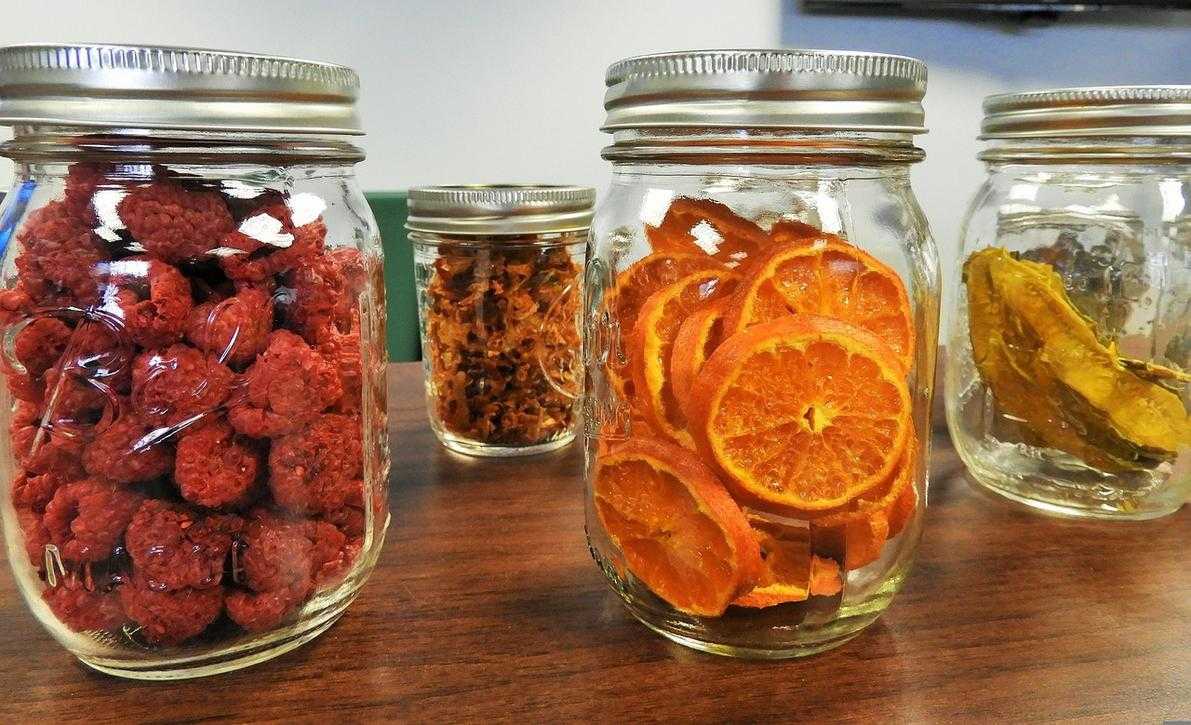
The right storage tools don’t just make your pantry look good—they make it work better. Let’s break down what that actually means.
First, decant dry goods. “Decanting” simply means transferring items from their original packaging into another container. Move flour, sugar, pasta, and rice into clear, airtight containers. Clear means you can see what’s inside at a glance (no more mystery white powders). Airtight means the lid seals completely, keeping moisture and air out. According to the USDA, limiting air exposure helps preserve food quality and freshness. It also reduces the risk of pantry pests like weevils (tiny beetles that love grains).
Next, group small, similar items together using baskets or bins. Think of this like creating categories in a playlist:
- Snack bars in one bin
- Spice packets in another
- Baking supplies together
This keeps related items contained and easy to grab.
Now for tricky spaces. Deep corners often become black holes. A lazy Susan—a rotating tray—solves that by bringing oils and vinegars to you with a simple spin. Tiered shelving lifts canned goods into visible rows, so nothing hides in the back like it’s playing hide-and-seek (very “Raiders of the Lost Ark” energy).
Finally, label everything. This is one of the most practical pantry organization tips you can follow. Use masking tape and a marker for flexibility, or a label maker for a polished look. Pro tip: add expiration dates on the label to avoid waste. Clear labels eliminate guesswork and keep everyone on the same page.
Step 4: Build Habits to Maintain Your System
So you’ve organized everything—now what? Systems only work if you maintain them. I’ll be honest: there’s no perfect formula here (if there were, we’d all have magazine-worthy pantries year-round). Still, a few simple habits make a real difference.
- Practice the “one in, one out” principle. When you buy something new, place it behind the older item. This stock rotation method ensures you use what you already have first—like grocery store shelving, just smaller scale.
- Do a 5-minute weekly reset. Put stray items back in their zones before clutter builds up. Think of it as brushing your teeth, but for your shelves.
- Keep a running inventory list. A small whiteboard inside the pantry door or a phone app works well. It helps prevent overbuying (because yes, we all forget we already have paprika).
In the end, consistency beats perfection. Many pantry organization tips promise lasting order, but steady habits are what actually stick.
Enjoy Your New Streamlined Culinary Hub
You set out to create an organized pantry—and now you have a clear, actionable system to keep it that way. No more clutter or wasted ingredients. With smart zones and simple pantry organization tips, you’ve built a lasting solution. Enjoy faster meal prep, less stress, and the freedom to get creative in a space that finally works for you.
 Founder & Culinary Innovation Director
There is a specific skill involved in explaining something clearly — one that is completely separate from actually knowing the subject. Sylric Xelthorne has both. They has spent years working with curious insights in a hands-on capacity, and an equal amount of time figuring out how to translate that experience into writing that people with different backgrounds can actually absorb and use.
Sylric tends to approach complex subjects — Curious Insights, Culinary Buzz, Fusion Meal Ideas being good examples — by starting with what the reader already knows, then building outward from there rather than dropping them in the deep end. It sounds like a small thing. In practice it makes a significant difference in whether someone finishes the article or abandons it halfway through. They is also good at knowing when to stop — a surprisingly underrated skill. Some writers bury useful information under so many caveats and qualifications that the point disappears. Sylric knows where the point is and gets there without too many detours.
The practical effect of all this is that people who read Sylric's work tend to come away actually capable of doing something with it. Not just vaguely informed — actually capable. For a writer working in curious insights, that is probably the best possible outcome, and it's the standard Sylric holds they's own work to.
Founder & Culinary Innovation Director
There is a specific skill involved in explaining something clearly — one that is completely separate from actually knowing the subject. Sylric Xelthorne has both. They has spent years working with curious insights in a hands-on capacity, and an equal amount of time figuring out how to translate that experience into writing that people with different backgrounds can actually absorb and use.
Sylric tends to approach complex subjects — Curious Insights, Culinary Buzz, Fusion Meal Ideas being good examples — by starting with what the reader already knows, then building outward from there rather than dropping them in the deep end. It sounds like a small thing. In practice it makes a significant difference in whether someone finishes the article or abandons it halfway through. They is also good at knowing when to stop — a surprisingly underrated skill. Some writers bury useful information under so many caveats and qualifications that the point disappears. Sylric knows where the point is and gets there without too many detours.
The practical effect of all this is that people who read Sylric's work tend to come away actually capable of doing something with it. Not just vaguely informed — actually capable. For a writer working in curious insights, that is probably the best possible outcome, and it's the standard Sylric holds they's own work to.