
Looking to bring more flavor, creativity, and structure into your time in the kitchen? This article is designed to help you explore global flavor basics, experiment with bold fusion meal ideas, and sharpen your kitchen prep skills—all in one place. Whether you’re searching for fresh culinary inspiration or a practical weekly meal prep plan, you’ll find guidance that turns everyday cooking into something exciting and approachable.
We’ve carefully analyzed emerging food trends, tested flavor combinations, and drawn from a wide range of international cooking techniques to ensure every tip and idea shared here is practical and reliable. From smart prep strategies that save time to Toaf taste experiments that push boundaries in the best way, this guide is built to help you cook with more confidence and curiosity.
If your goal is to simplify your routine while expanding your palate, you’re in the right place. Let’s transform your kitchen into a space where efficiency meets bold, global flavor.
Healthy eating shouldn’t hijack your Sunday. Instead, imagine finishing a weekly meal prep plan in 90 minutes and coasting through the week with ready-to-build meals. This component method means roasting a tray of vegetables, cooking one protein, simmering a grain, and blending a bold sauce. Then, mix and match.
As a result, you slash takeout costs, reduce food waste, and dodge decision fatigue. Moreover, flexible building blocks keep flavors interesting, so you never feel stuck eating leftovers. In short, you gain time, energy, and control—without living in the kitchen. Consequently, healthy choices become effortless, consistent, and surprisingly delicious every day.
The Foundation: Tools and Pantry Essentials
Incorporating a variety of flavors can make meal prep exciting and satisfying, and if you’re looking for inspiration, check out our article on Vegetarian Fusion Bowls with Global Ingredients to add a vibrant twist to your weekly menu.
Great meal prep starts with clarity. Not more stuff—just the right stuff.
1. Choosing Your Containers
Glass containers are durable, non‑reactive (meaning they won’t absorb stains or smells), and microwave-safe. Plastic is lighter and cheaper but can warp over time. Compartmentalized containers—those with built-in dividers—keep sauces from invading salads (no one likes soggy lettuce). Most important? Variety of sizes. Small containers for sauces, medium for grains, large for mains. This flexibility makes a weekly meal prep plan actually practical.
2. The “Flavor Pantry” Explained
A flavor pantry means shelf-stable ingredients that transform basics into something craveable. Think soy sauce (salty depth), cumin (earthy warmth), smoked paprika (subtle campfire vibe), quality olive oil (richness), plus acids like vinegar or citrus to brighten dishes. Acid, in simple terms, sharpens and balances flavors—like turning up contrast on a photo.
3. Essential Kitchen Gear
You only need:
- A sharp chef’s knife
- Large baking sheets
- A reliable saucepan
That’s it (no spaceship gadgets required).
4. The Philosophy of “Component Prep”
Component prep means cooking ingredients separately—grains, roasted vegetables, proteins—then mixing them differently each day. Critics say prepping full meals saves time. True. But components prevent taste fatigue and keep lunches from feeling like Groundhog Day.
Step 1: The 3-2-5 Method for Menu Planning
The 3-2-5 Method is a streamlined framework for building a flexible weekly meal prep plan without eating the same plate on repeat (because nobody wants Groundhog Day for dinner).
Pick 3 Proteins. Choose options that stay tender and versatile after reheating. For example: chicken breast (slice for wraps or shred for tacos), ground turkey (ideal for bowls or lettuce cups), and chickpeas or lentils (plant-based proteins rich in fiber and iron). Protein supports muscle repair and keeps you fuller longer, according to the Harvard T.H. Chan School of Public Health.
Cook 2 Grains/Carbs. Focus on complex carbohydrates—meaning slow-digesting carbs that provide steady energy. Quinoa, brown rice, sweet potatoes, or whole-wheat pasta contain fiber that helps regulate blood sugar (Mayo Clinic). The benefit? Fewer afternoon crashes.
Roast 5 Vegetables. Combine broccoli, bell peppers, onions, zucchini, and carrots on one sheet pan at 400°F for 20–25 minutes. Roasting enhances natural sugars, boosting flavor without extra sauces.
Worried it’ll get boring? That’s where fusion saves the day. Chicken + quinoa + roasted veggies transforms into a Greek bowl (tzatziki), Mexican bowl (salsa, avocado), or Asian-inspired stir-fry (soy-ginger).
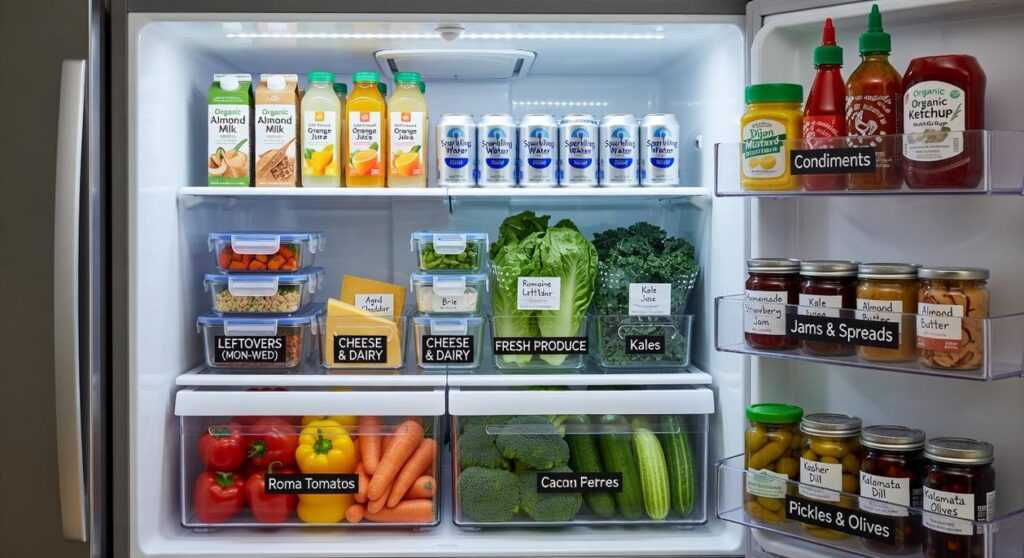
Pro tip: Store components properly using these safe food storage guidelines to reduce waste to maintain freshness all week.
Step 2: The Efficient Grocery Run
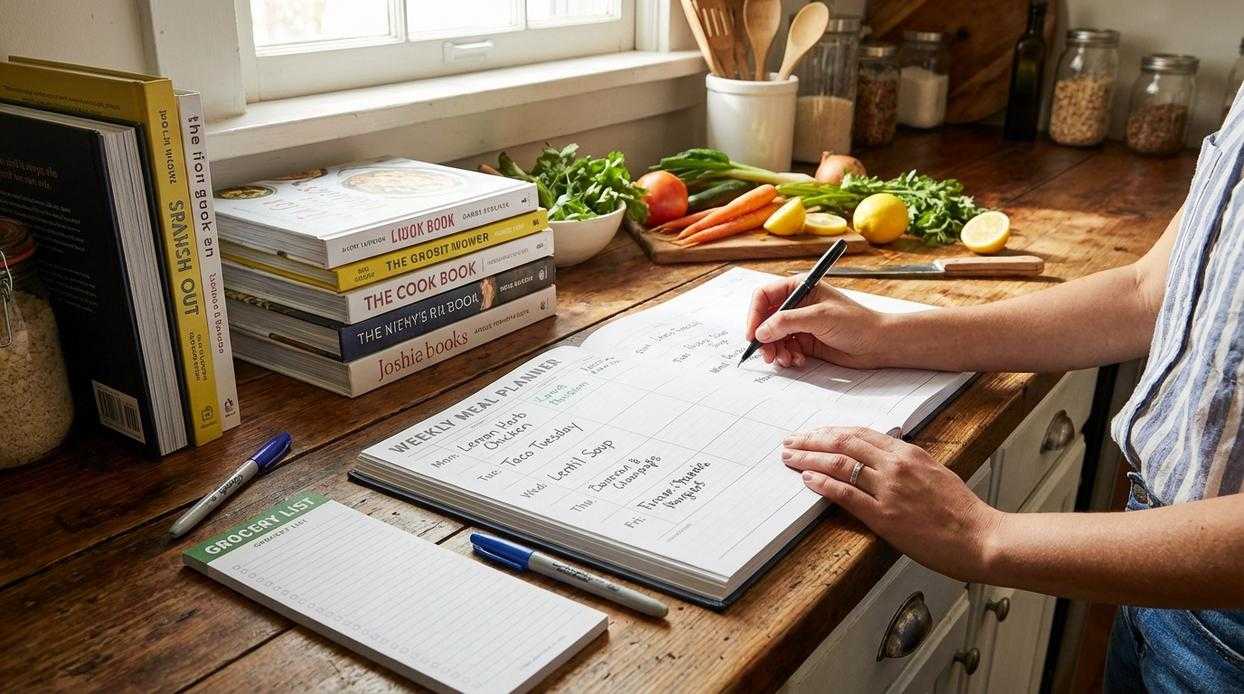
First, build a smart list. Organize it by store section—produce, protein, pantry—so you move through the aisles once, not five times (we’ve all done the “wait, I forgot cilantro” lap). This simple structure reduces impulse buys because you’re focused on categories, not cravings. What’s next after organizing? Pair it with your weekly meal prep plan so every item has a purpose.
Next, let’s tackle fresh vs. frozen. Many assume frozen produce is less nutritious. Not true. Flash-freezing locks in nutrients at peak ripeness, sometimes better than “fresh” items that traveled for days (Harvard T.H. Chan School of Public Health). It’s also cheaper and cuts food waste.
Then, read labels carefully. Watch for added sugars (corn syrup), excess sodium, and partially hydrogenated oils.
Pro tip: Shop your pantry first. Checking what you already have prevents duplicates and shapes a smarter, faster trip.
Step 3: The 90-Minute Power Prep Session
If you want meal prep to feel effortless (and not like a chaotic cooking show challenge), start with mise en place. This French term simply means “everything in its place.” In practical terms: set out every tool, bowl, knife, spice, and ingredient before heat ever touches a pan. It sounds basic, but it’s the difference between calm efficiency and frantic drawer-slamming.
Here’s the workflow I recommend following exactly:
- Minutes 0–15: Preheat oven to 400°F (200°C). Wash and chop all vegetables. Start grains on the stovetop.
- Minutes 15–45: Toss vegetables with olive oil and spices, spread on baking sheets, and roast. Cook proteins on the stovetop or grill.
- Minutes 45–75: Prepare flavor boosters—shake a quick vinaigrette, chop herbs, portion sauces.
- Minutes 75–90: Cool everything completely, then assemble or store separately.
Some people argue that prepping all at once is exhausting and prefer cooking fresh daily. Fair point—freshly cooked food can taste brighter. But here’s the trade-off: weekday decision fatigue is real (studies on decision fatigue show willpower declines after repeated choices, APA). A structured 90-minute session protects your time and energy.
I strongly recommend cooling components fully before sealing containers. Trapped steam creates condensation, which leads to soggy grains and limp vegetables. Patience here pays off.
For maximum flexibility, store proteins, grains, and vegetables separately. That way your weekly meal prep plan doesn’t lock you into identical lunches.
Pro tip: Line your sheet pans with parchment for faster cleanup and better caramelization. Your future self will thank you.
Your Delicious, Stress-Free Week Awaits
You know that 5 p.m. feeling. You’re tired, hungry, and somehow still expected to answer the daily “what’s for dinner?” debate. It’s exhausting. The good news? A simple weekly meal prep plan turns one short kitchen session into five calm evenings.
Here’s why it works:
- Decision fatigue disappears. Meals are ready.
- Healthy becomes convenient. No last-minute takeout runs.
- Variety stays alive. Mix proteins, grains, and veggies differently each night.
Start small this weekend: prep one protein, one grain, and roasted vegetables. Monday-you will feel ridiculously grateful (and a little smug).
Bring Global Flavor to Your Table This Week
You came here looking for fresh culinary inspiration, practical fusion ideas, and smarter ways to make global flavors work in your everyday kitchen. Now you have the tools — from Toaf taste experiments to streamlined prep strategies — to turn ordinary meals into something memorable.
If you’ve been stuck in a rut, cooking the same dishes on repeat, or feeling overwhelmed trying new cuisines, that frustration ends here. Exploring bold flavors doesn’t have to mean complicated steps or hours in the kitchen. With the right approach, creativity and efficiency can live on the same plate.
Now it’s time to act. Start by mapping out your weekly meal prep plan using one new global flavor base and one fusion-inspired dish. Prep your core ingredients in advance, experiment with a Toaf twist, and build meals that excite you all week long.
Ready to elevate your kitchen game? Join thousands of flavor-curious home cooks who rely on our proven meal ideas and prep strategies to simplify cooking without sacrificing taste. Dive into more recipes, experiment boldly, and transform your next meal — starting today.
 Founder & Culinary Innovation Director
There is a specific skill involved in explaining something clearly — one that is completely separate from actually knowing the subject. Sylric Xelthorne has both. They has spent years working with curious insights in a hands-on capacity, and an equal amount of time figuring out how to translate that experience into writing that people with different backgrounds can actually absorb and use.
Sylric tends to approach complex subjects — Curious Insights, Culinary Buzz, Fusion Meal Ideas being good examples — by starting with what the reader already knows, then building outward from there rather than dropping them in the deep end. It sounds like a small thing. In practice it makes a significant difference in whether someone finishes the article or abandons it halfway through. They is also good at knowing when to stop — a surprisingly underrated skill. Some writers bury useful information under so many caveats and qualifications that the point disappears. Sylric knows where the point is and gets there without too many detours.
The practical effect of all this is that people who read Sylric's work tend to come away actually capable of doing something with it. Not just vaguely informed — actually capable. For a writer working in curious insights, that is probably the best possible outcome, and it's the standard Sylric holds they's own work to.
Founder & Culinary Innovation Director
There is a specific skill involved in explaining something clearly — one that is completely separate from actually knowing the subject. Sylric Xelthorne has both. They has spent years working with curious insights in a hands-on capacity, and an equal amount of time figuring out how to translate that experience into writing that people with different backgrounds can actually absorb and use.
Sylric tends to approach complex subjects — Curious Insights, Culinary Buzz, Fusion Meal Ideas being good examples — by starting with what the reader already knows, then building outward from there rather than dropping them in the deep end. It sounds like a small thing. In practice it makes a significant difference in whether someone finishes the article or abandons it halfway through. They is also good at knowing when to stop — a surprisingly underrated skill. Some writers bury useful information under so many caveats and qualifications that the point disappears. Sylric knows where the point is and gets there without too many detours.
The practical effect of all this is that people who read Sylric's work tend to come away actually capable of doing something with it. Not just vaguely informed — actually capable. For a writer working in curious insights, that is probably the best possible outcome, and it's the standard Sylric holds they's own work to.