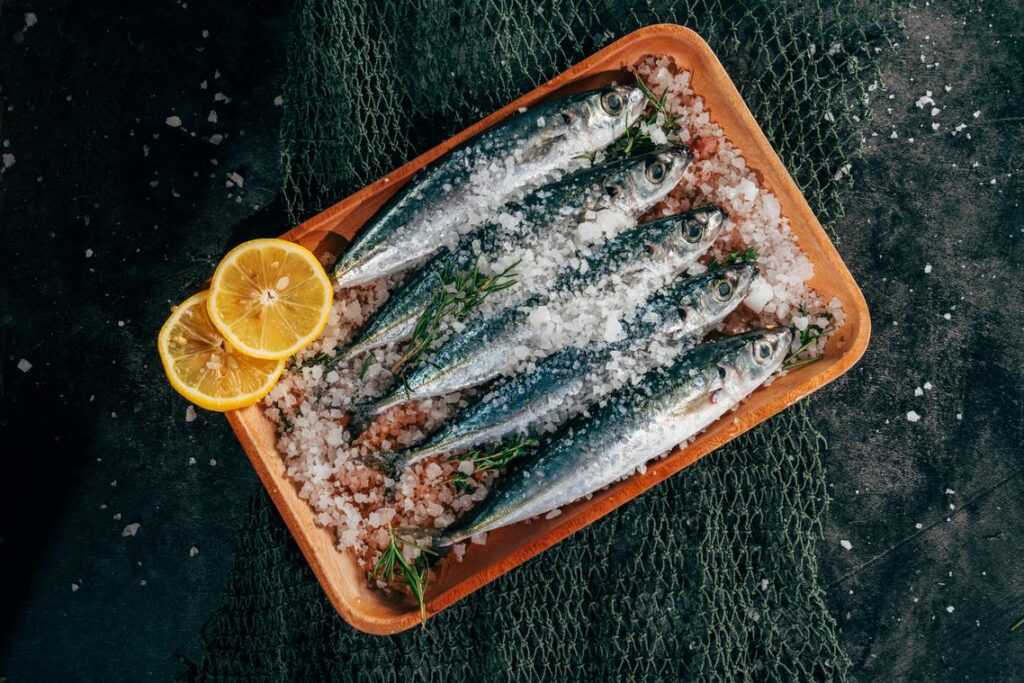

Great cooking isn’t about complicated techniques or rare ingredients—it’s about mastering the fundamentals. If you’re here, you want to understand how to create meals that taste vibrant, balanced, and memorable every time. This article is designed to help you do exactly that by breaking down the core principle chefs rely on most: balancing salt fat acid heat.
Whether you’re experimenting with global flavors, trying bold fusion ideas, or simply looking to elevate your everyday meals, understanding how these four elements work together is the key to confident cooking. We’ll explore how each component affects flavor, how to adjust dishes that taste flat or overwhelming, and how to fine-tune your recipes with simple, practical techniques.
Our insights draw from hands-on kitchen testing, flavor experimentation, and deep dives into global culinary traditions—so you’re not just getting theory, but guidance you can apply immediately. By the end, you’ll know how to build, adjust, and perfect dishes with clarity and control.
Why do some home-cooked meals taste flat while restaurant dishes burst with life? Back in 2020, after months of lockdown cooking, many realized recipes weren’t the problem—balance was. The breakthrough comes from balancing salt fat acid heat, four elements that shape flavor.
- Salt amplifies taste and reduces bitterness.
- Fat carries aroma and creates richness.
- Acid brightens and sharpens.
- Heat transforms texture and unlocks complexity.
Skeptics say great cooking is talent (as if you’re born on a cooking show). Yet with practice, you can taste, adjust, and elevate any dish confidently. Over time, instincts sharpen dramatically naturally.
Salt: The Universal Flavor Amplifier
Understanding how to balance salt, fat, acid, and heat is essential for elevating your culinary creations, much like the unique ingredients that shine in our “Ingredients Sadatoaf” article, which highlights the harmonious interplay of flavors in plant-based dishes.
Most people think salt makes food salty. That’s only half the story. Salt’s real superpower is flavor amplification. It suppresses bitterness (why grapefruit tastes less harsh with a pinch) and boosts sweetness and umami. In chocolate chip cookies, a little salt makes the chocolate taste more chocolaty. In tomato sauce, it coaxes out natural sugars. It’s less “add salt” and more balancing salt fat acid heat.
Some argue you should “just salt at the end” to control flavor. Fair—but salting only at the finish misses deeper seasoning. When you salt meat before cooking, the salt dissolves into surface moisture, then diffuses inward, enhancing flavor throughout (McGee, On Food and Cooking). A finished sauce, however, often needs incremental salting to fine-tune intensity.
Common salt types and uses:
- Kosher salt – coarse, easy to pinch, ideal for cooking.
- Sea salt – varies in texture; good all-purpose option.
- Finishing salts (like Maldon) – flaky, for crunchy pops on top.
Try this: scramble two egg batches. Salt one before cooking, one after. The pre-salted eggs taste deeper and more integrated; the post-salted ones taste surface-level.
What’s next? Experiment with salting vegetables early to draw out moisture—or test flaky salt on brownies for contrast (trust the magic).
Fat: The Vehicle for Taste and Texture
Fat is more than richness—it’s a flavor delivery system. Many flavor compounds in garlic, onions, and spices are fat‑soluble, meaning they dissolve in fat, not water. When you sauté minced garlic in olive oil, those aromatic molecules disperse through the oil and coat every ingredient in the pan. That’s why blooming spices in oil before adding liquid makes curry taste deeper (think of it as turning the volume up before the song starts).
Texture is fat’s second superpower. It tenderizes meat by lubricating muscle fibers and slowing moisture loss. It creates crispiness when hot oil dehydrates the surface of foods—like shatteringly crisp chicken skin. In baking, solid fats trap air, giving pastries flakiness and lift.
Around the world, different fats define dishes: olive oil in Mediterranean sautés, butter in French sauces, coconut milk in Southeast Asian curries, sesame oil drizzled over East Asian stir‑fries. Each adds distinct aroma and mouthfeel while balancing salt fat acid heat.
Kitchen Prep Tip: Heat oil properly for a good sear. Place your pan over medium heat for 1–2 minutes, add oil, then wait until it shimmers. Gently lay food away from you and don’t move it for several minutes. Pro tip: if it sticks, it’s not ready to flip.
Acid: The Bright Spark That Balances Richness
Fat is delicious. Starch is comforting. But without acid, both can feel heavy, flat, or downright sleepy.
So what is acid in cooking? It is any ingredient that tastes tart or sour and lowers pH, which our tongues perceive as brightness (the culinary equivalent of turning on the lights). That brightness CUTS through fat, making creamy sauces, braises, and fried foods feel lighter. It also sharpens starches like pasta or potatoes, so they do not taste muddy.
A final splash of vinegar or squeeze of citrus at the end works like salt: it wakes everything up. If you have ever fixed a bland soup with a dash of wine, you have practiced balancing salt fat acid heat.
Common sources include:
- Tomatoes
- Yogurt
- Sour cream
- Pickled vegetables
- Wine reductions
In fusion cooking, lime on a rich taco is not optional; it is ESSENTIAL. The same logic explains why a sharp vinaigrette balances salads loaded with cheese and nuts.
Next, experiment with unexpected ingredient combinations worth trying to see how acid transforms sweet, salty, and spicy dishes.
Pro tip: taste before serving and adjust with small drops, not heavy pours. Balance is built, not dumped.
Heat is more than a tool; it is the force that rewrites food’s chemistry. Apply it, and proteins denature (unravel), starches gelatinize, sugars caramelize. A raw onion’s sharp bite mellows into sweetness; tough collagen in brisket melts into silk. That transformation is the magic.
Dry heat—roasting, baking, searing—drives off moisture and concentrates flavor, building crust through the Maillard Reaction, the interaction between amino acids and sugars that creates the deep, savory notes in seared steak and toasted bread. Moist heat—braising, steaming, poaching—uses water or steam to transfer energy gently, dissolving connective tissue for tenderness.
Some argue heat is just about doneness. But controlling temperature is the competitive edge others miss. Too low, and food stews into soggy monotony; too high, and the exterior burns before the center cooks.
• Master surface dryness for browning
• Rest food to redistribute juices
Think balancing salt fat acid heat—precision turns fire into flavor.
Cooking clicks when you see how flavors interact. Fat—richness from butter or oil—carries flavor but can feel heavy. Acid—like lemon or vinegar—brightens and cuts through that weight. Salt enhances existing flavors; it doesn’t make food salty so much as it makes it vivid. Heat refers to temperature and texture, from searing to chili spice.
So, balancing salt fat acid heat becomes less mystery, more method.
If a dish tastes flat, add salt or a squeeze of acid. Too rich? Add acid. Still boring? Introduce contrast—crunchy texture or a creamy element (yes, like giving your soup a plot twist) for balance.
Your kitchen isn’t a recipe factory; it’s a flavor lab. When you focus on balancing salt fat acid heat, you gain confidence, creativity, and control. As you cook, taste and ask, “What does this need?” Then tweak one element at a time. That habit transforms good meals into unforgettable ones.
You came here to master flavor without second-guessing every pinch and pour. Now you understand how global flavor basics, fusion ideas, and smart prep techniques come together through balancing salt fat acid heat—the foundation that turns average meals into unforgettable ones.
If you’ve ever felt frustrated by flat dishes, overpowering spices, or recipes that just didn’t “click,” that pain usually comes down to imbalance. The good news? You now have a clear, repeatable way to fix it. Taste with intention. Adjust with purpose. Build layers instead of chaos.
Take Control of Your Flavor Game
Don’t let another meal fall short. Start applying balancing salt fat acid heat in your next dish and experiment boldly with new flavor combinations. Join thousands of home cooks who trust our flavor-forward guidance to elevate everyday meals. Explore more taste experiments, sharpen your prep skills, and transform your kitchen confidence today.
 Kitchen Operations & Prep Specialist
There is a specific skill involved in explaining something clearly — one that is completely separate from actually knowing the subject. Brandon Schwartzimba has both. They has spent years working with culinary buzz in a hands-on capacity, and an equal amount of time figuring out how to translate that experience into writing that people with different backgrounds can actually absorb and use.
Brandon tends to approach complex subjects — Culinary Buzz, Curious Insights, Fusion Meal Ideas being good examples — by starting with what the reader already knows, then building outward from there rather than dropping them in the deep end. It sounds like a small thing. In practice it makes a significant difference in whether someone finishes the article or abandons it halfway through. They is also good at knowing when to stop — a surprisingly underrated skill. Some writers bury useful information under so many caveats and qualifications that the point disappears. Brandon knows where the point is and gets there without too many detours.
The practical effect of all this is that people who read Brandon's work tend to come away actually capable of doing something with it. Not just vaguely informed — actually capable. For a writer working in culinary buzz, that is probably the best possible outcome, and it's the standard Brandon holds they's own work to.
Kitchen Operations & Prep Specialist
There is a specific skill involved in explaining something clearly — one that is completely separate from actually knowing the subject. Brandon Schwartzimba has both. They has spent years working with culinary buzz in a hands-on capacity, and an equal amount of time figuring out how to translate that experience into writing that people with different backgrounds can actually absorb and use.
Brandon tends to approach complex subjects — Culinary Buzz, Curious Insights, Fusion Meal Ideas being good examples — by starting with what the reader already knows, then building outward from there rather than dropping them in the deep end. It sounds like a small thing. In practice it makes a significant difference in whether someone finishes the article or abandons it halfway through. They is also good at knowing when to stop — a surprisingly underrated skill. Some writers bury useful information under so many caveats and qualifications that the point disappears. Brandon knows where the point is and gets there without too many detours.
The practical effect of all this is that people who read Brandon's work tend to come away actually capable of doing something with it. Not just vaguely informed — actually capable. For a writer working in culinary buzz, that is probably the best possible outcome, and it's the standard Brandon holds they's own work to.