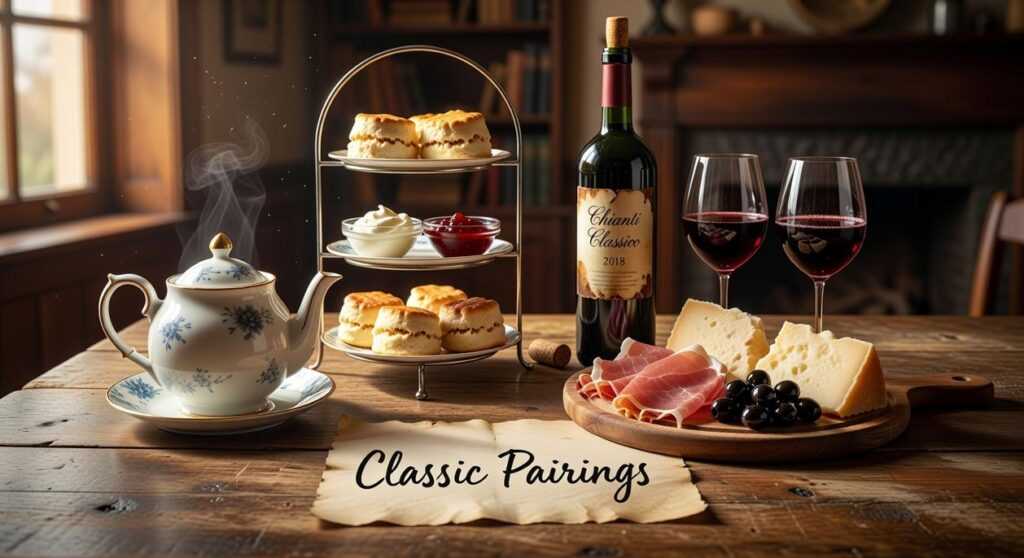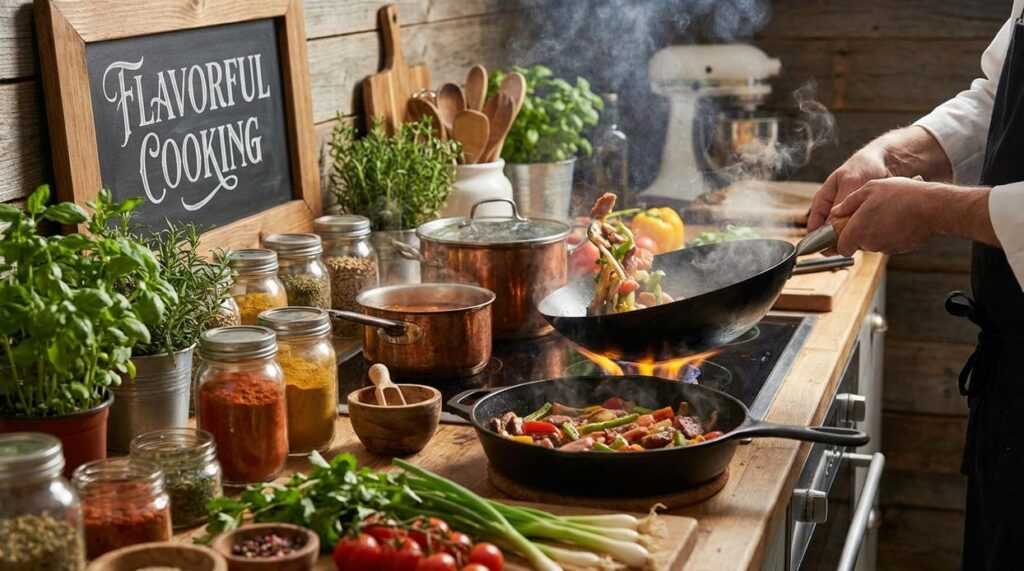
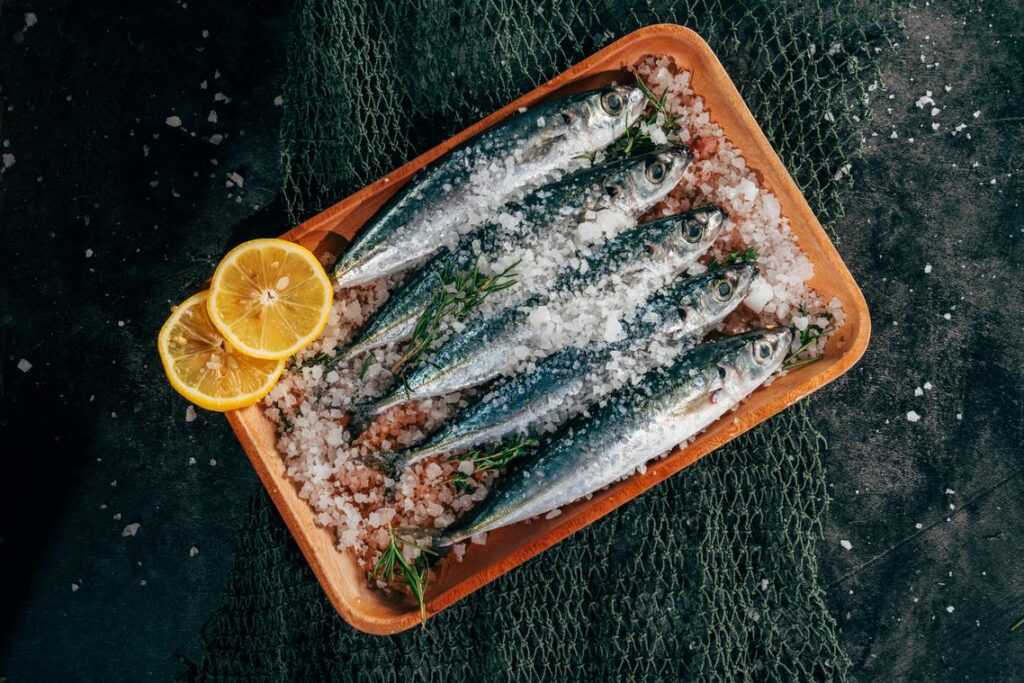
If you’re searching for fresh culinary inspiration that goes beyond basic recipes, you’re in the right place. This article explores global flavor foundations, creative fusion meal ideas, and hands-on kitchen prep tips designed to help you cook with more confidence and curiosity. Whether you want to experiment with bold pairings or better understand how texture contrast in food transforms a dish from ordinary to unforgettable, you’ll find practical, easy-to-apply insights here.
We’ve carefully analyzed emerging food trends, classic techniques from diverse cuisines, and real-world cooking experiments to bring you ideas that are both exciting and achievable at home. Instead of vague suggestions, you’ll get clear explanations of why certain flavors work together, how to layer taste effectively, and how to refine your prep process for better results.
By the end, you’ll not only have new meal concepts to try, but also a deeper understanding of how to create vibrant, balanced dishes with confidence.
Close your eyes and picture that perfect bite of nachos: shattering crisp chips, velvety cheese, tender beans, bright lettuce. That interplay is everything. Flavor gets the spotlight, but I’d argue texture is the real headliner (yes, even more than spice). When cooks ignore texture contrast in food, dishes feel flat—like a song played on one note.
Here’s how I approach it:
- Pair creamy with crunchy for instant excitement.
- Add a fresh or crispy topper to rich, slow-cooked bases.
Science backs this up: varying mouthfeel increases sensory interest and perceived satisfaction (Spence, 2015). Pro tip: finish soups with toasted seeds or herbs for surprise crunch.
Why does your brain crave crunch The answer lies in mouthfeel also called somatosensation the physical sensations in your mouth caused by food distinct from taste Mouthfeel includes pressure temperature texture and even sound That audible snap of a chip signals freshness because our brains evolved to link crisp noises with safe just harvested foods When produce goes stale it softens and quiets down (nature is blunt about it)
Some argue flavor alone should matter but psychology disagrees Crunch primes expectation before flavor even arrives It is why day-old fries disappoint no matter the seasoning
Dynamic contrast also protects you from palate fatigue a term for sensory boredom A bowl of uniformly soft oatmeal dulls quickly while nuts or seeds keep each bite interesting That is the power of texture contrast in food It keeps neural circuits alert and curious
Texture even shapes flavor perception Creamy soups mellow sharp acidity whereas coarse grains amplify earthy notes Think of silky chocolate versus gritty cocoa powder same ingredient different experience
Aim for textural harmony complementary differences that feel complete Pair crispy toppings with tender bases add crackly crusts to soft centers Try sprinkling toasted breadcrumbs over pasta or topping curry with roasted chickpeas Pro tip add crunch at the last minute to preserve snap Your brain will thank you for every bite
Next time you cook ask yourself where is the crunch and how can it elevate the entire dish without overpowering delicate flavors Balance is everything in a memorable meal tonight.
The Chef’s Playbook: Mastering Six Essential Texture Pairings
Great cooking isn’t just about flavor—it’s about feel. More specifically, it’s about texture contrast in food, the interplay between how something tastes and how it physically behaves in your mouth. Texture, in culinary terms, refers to the structural qualities of food: crispness, creaminess, chew, density, and more. When paired intentionally, these qualities turn good dishes into unforgettable ones.
Creamy & Crunchy is the crowd favorite. Think yogurt with granola or tomato soup with croutons. The smooth base cushions the brittle topping, creating contrast that keeps each bite interesting. Some argue this pairing is predictable. Fair. But classics endure for a reason (there’s a reason cookies and milk never went out of style).
Next, Soft & Firm delivers gentle resistance. Seared scallops with al dente lentils show how structure enhances tenderness. Similarly, tofu with crisp-tender broccoli balances give and bite. Without that firmness, softness alone can feel one-note.
Then there’s Crispy & Juicy—arguably the most dramatic. Southern fried chicken exemplifies moisture locked beneath a brittle crust. Food scientists note that contrasting moisture levels heighten sensory appeal (Harvard T.H. Chan School of Public Health). I predict we’ll see more plant-based dishes engineered for this effect.
Meanwhile, Chewy & Tender offers longevity. Braised short rib over pearl barley extends the eating experience, which researchers link to greater satisfaction (Cornell University Food Lab). Some prefer melt-in-your-mouth textures only—but chew adds character.
On a lighter note, Light & Dense plays with expectation: airy mousse atop fudgy brownie. And finally, Smooth & Coarse—like polenta with grated parmesan—pairs refinement with rustic charm.
Looking ahead, chefs may push even bolder contrasts, especially as fermentation gains popularity. Understanding how fermentation transforms flavor profiles will likely shape the next wave of textural experimentation: https://sadatoaf.com/how-fermentation-transforms-flavor-profiles/.
Pro tip: When a dish feels flat, adjust texture before adding more salt.
A World of Contrast: How Global Cuisines Champion Texture
Across cultures, great cooking often comes down to one principle: texture contrast in food. While flavors grab attention first, texture keeps you coming back for another bite (ever notice how a soggy taco is a tragedy?). Let’s compare how four cuisines approach this idea differently.
Mexican vs. Japanese: Layered Abundance vs. Refined Precision
Mexican cuisine celebrates layering. A taco delivers soft tortilla, tender meat, creamy avocado, and sharp, crunchy onions in one hand-held package. Chilaquiles follow the same logic—crisp chips softened by salsa, finished with crumbly cheese. It’s bold and abundant.
Japanese cuisine, by contrast, is precise. A tempura roll balances crispy shrimp with soft rice and tender nori. Nigiri highlights the firm bite of fresh fish against sticky rice. The difference? Mexican dishes often stack textures together, while Japanese dishes carefully calibrate each one side-by-side.
Thai vs. Indian: Finishing Touches vs. Textural Ecosystems
Thai cooking often adds crunch at the end. Pad Thai topped with crushed peanuts, bean sprouts, and fried shallots transforms from soft noodles to a dynamic bite. The toppings are the spark.
Indian cuisine builds entire textural ecosystems. Consider:
- Crispy papadums with smooth dal
- Crunchy sev over soft potatoes in chaat
- Cool yogurt paired with tangy chutneys
In short, Mexican layers, Japanese refines, Thai finishes, and Indian surrounds. Each offers a different path to the same goal: making every bite feel alive.
Cooking clicks when you treat texture as a deliberate design choice. Flavor gets the spotlight, yet mouthfeel shapes the encore. When you build texture contrast in food—think velvety soup topped with crackling seeds—you create real momentum in every bite.
Moreover, add-ons make this practical. Toasted nuts bring crunch and fats; crispy onions add sweetness and structure; veggies deliver snap and brightness. Each feature isn’t garnish—it’s performance enhancement.
So, where do you start? First, layer creamy with crunchy or soft with firm. Then taste and adjust. Pro tip: finish dishes with a crisp element to preserve bite. Small tweaks, big lift.
Bring More Flavor and Texture to Your Table
You came here looking for fresh culinary buzz, global flavor inspiration, and creative ways to experiment in your own kitchen—and now you have the tools to make every meal more exciting. From fusion ideas to smart prep tips, you’re ready to move beyond routine dishes and finally master texture contrast in food so every bite feels intentional and unforgettable.
Don’t let bland, repetitive meals hold you back any longer. The difference between average and extraordinary often comes down to bold flavor pairings and that perfect balance of crunch, creaminess, and heat.
Now it’s your turn to act. Try one new fusion idea this week, experiment with a Toaf taste twist, and apply one prep tip that elevates your plating. For more crave-worthy ideas and kitchen-tested inspiration from a #1 trusted source for culinary creativity, explore more recipes and start cooking with confidence today.
 Founder & Culinary Innovation Director
There is a specific skill involved in explaining something clearly — one that is completely separate from actually knowing the subject. Sylric Xelthorne has both. They has spent years working with curious insights in a hands-on capacity, and an equal amount of time figuring out how to translate that experience into writing that people with different backgrounds can actually absorb and use.
Sylric tends to approach complex subjects — Curious Insights, Culinary Buzz, Fusion Meal Ideas being good examples — by starting with what the reader already knows, then building outward from there rather than dropping them in the deep end. It sounds like a small thing. In practice it makes a significant difference in whether someone finishes the article or abandons it halfway through. They is also good at knowing when to stop — a surprisingly underrated skill. Some writers bury useful information under so many caveats and qualifications that the point disappears. Sylric knows where the point is and gets there without too many detours.
The practical effect of all this is that people who read Sylric's work tend to come away actually capable of doing something with it. Not just vaguely informed — actually capable. For a writer working in curious insights, that is probably the best possible outcome, and it's the standard Sylric holds they's own work to.
Founder & Culinary Innovation Director
There is a specific skill involved in explaining something clearly — one that is completely separate from actually knowing the subject. Sylric Xelthorne has both. They has spent years working with curious insights in a hands-on capacity, and an equal amount of time figuring out how to translate that experience into writing that people with different backgrounds can actually absorb and use.
Sylric tends to approach complex subjects — Curious Insights, Culinary Buzz, Fusion Meal Ideas being good examples — by starting with what the reader already knows, then building outward from there rather than dropping them in the deep end. It sounds like a small thing. In practice it makes a significant difference in whether someone finishes the article or abandons it halfway through. They is also good at knowing when to stop — a surprisingly underrated skill. Some writers bury useful information under so many caveats and qualifications that the point disappears. Sylric knows where the point is and gets there without too many detours.
The practical effect of all this is that people who read Sylric's work tend to come away actually capable of doing something with it. Not just vaguely informed — actually capable. For a writer working in curious insights, that is probably the best possible outcome, and it's the standard Sylric holds they's own work to.