If you’re searching for fresh culinary inspiration that goes beyond the usual recipes, you’re in the right place. This article explores the latest in culinary buzz, breaks down global flavor basics, and shares creative fusion meal ideas you can actually bring to life in your own kitchen. Whether you’re experimenting with bold spices, curious about Toaf taste experiments, or looking to master balanced sweet and savory pairings, you’ll find practical guidance designed to elevate everyday cooking.
We’ve carefully researched flavor traditions, tested ingredient combinations, and analyzed emerging food trends to ensure every tip is both exciting and reliable. Instead of vague suggestions, you’ll get clear explanations of why certain flavors work together and how to prep efficiently for better results.
By the end, you’ll have new flavor combinations to try, smarter kitchen prep strategies, and the confidence to turn global inspiration into unforgettable meals at home.
Unlocking bold flavor is less about complexity and more about contrast. When dishes taste flat, they’re usually missing tension—something bright against rich, salty against sweet. That’s where sweet and savory pairings transform ordinary meals into memorable ones. Think crispy bacon with maple syrup or mango salsa over grilled chicken (yes, it’s magic).
Why does this work? Sugar softens sharp saltiness, while salt heightens sweetness, creating balance.
Try:
• Roasted carrots with honey and thyme
• Dark chocolate with sea salt
Start small, taste as you go, and adjust deliberately. Contrast is your quiet kitchen superpower. Trust your palate every time.
The Science of Craving: Why Sweet and Savory Belong Together
First, let’s go beyond the taste buds. The real magic happens through flavor layering—the culinary strategy of stacking contrasting tastes to create balance and depth. Think of it as A vs B: sugar alone delivers a quick hit, while salt alone can feel sharp. However, combine them and you get dimension. Sweetness softens harsh salty or acidic notes, whereas savory elements keep sugar from becoming cloying (because nobody wants dessert that tastes like syrup overload). In other words, your palate craves complexity, not extremes.
Next comes the chemistry. The Maillard reaction—a browning process where proteins and sugars react under heat—creates deep, roasted flavors. Caramelization, by contrast, happens when sugars break down and develop nutty sweetness. Honey-glazed ham is a perfect comparison case: without browning, it’s just sweet meat; with it, you get a glossy crust packed with savory depth.
Meanwhile, this isn’t some modern food mashup. Southeast Asian dishes balance palm sugar and fish sauce. Mediterranean cuisine pairs fruit with cured meats. These sweet and savory pairings prove a timeless rule: contrast creates harmony (like a great movie plot twist that actually makes sense). Ultimately, complexity wins over simplicity every time.
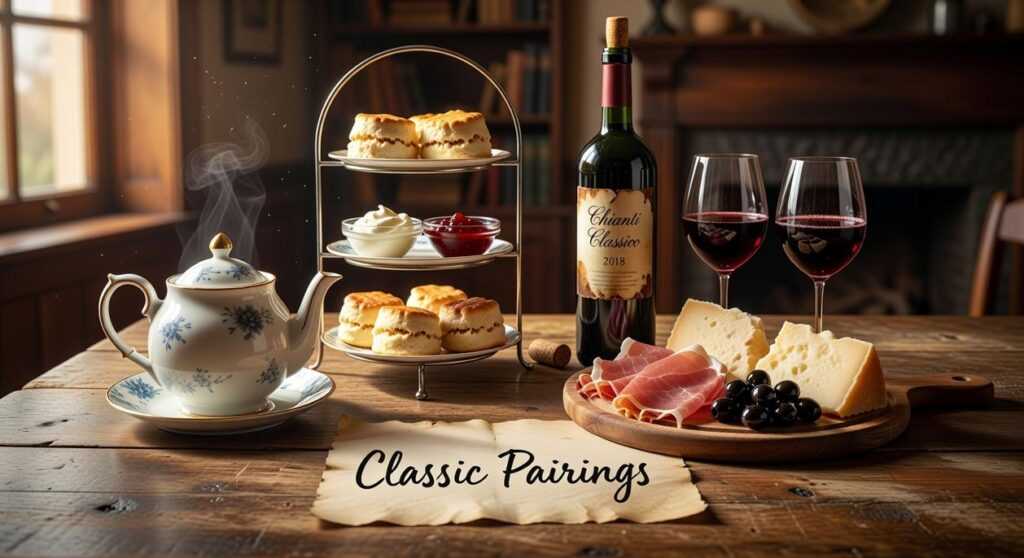
Timeless Pairings: Classic Sweet & Savory Duos to Master

Why do certain flavor combinations feel instantly balanced? It comes down to contrast. Sweetness softens intensity, while salt and umami (a savory, mouth-filling taste linked to glutamates) add depth. When combined correctly, neither side dominates.
Mediterranean Sunshine
• Prosciutto and melon
• Figs with goat cheese and balsamic glaze
Salt-cured meats like prosciutto lose moisture during aging, concentrating saltiness. That salt sharpens the natural sugars in melon, making the fruit taste brighter, not cloying. Goat cheese adds tang (a mild acidity), and balsamic glaze contributes both sweetness and bite. If you’ve ever wondered why this works so effortlessly, it’s because salt suppresses bitterness and enhances sweetness (Journal of Food Science, 2010).
East Asian Umami Bombs
• Teriyaki sauce (soy sauce, mirin, sugar)
• Sweet and sour pork
Soy sauce is rich in umami due to fermentation. Without sugar or mirin (a sweet rice wine), it would taste aggressively salty. Sweetness acts as a counterweight, rounding sharp edges. Think of it as turning the volume down on salt while turning flavor up.
American Comfort Classics
• Maple-glazed bacon
• Chicken and waffles with syrup
• Salted caramel
These dishes trigger nostalgia, but there’s science too. Fat carries flavor, salt intensifies sweetness, and caramelization creates complex toasty notes (hello, county fair energy). Multiple taste signals fire at once, which our brains interpret as satisfying.
Latin American Flavors
• Mole sauce (chocolate, chilies, spices)
• Al pastor (pork, pineapple, achiote)
Here, sweetness whispers. Chocolate in mole deepens earthy chilies; pineapple in al pastor brightens smoky pork. In true sweet and savory pairings, sugar isn’t the star—it’s the subtle harmonizer holding everything together.
The Modern Pantry: Next-Level Sweet & Savory Ideas
The modern pantry is no longer divided into “dessert” and “dinner.” Today, it’s about SWEET HEAT, UMAMI BOMBS, and clever contrasts that make everyday meals taste restaurant-level.
Spicy & Sweet Heat
Hot honey—chili-infused honey—drizzled over pizza or fried chicken delivers capsaicin (the compound that makes peppers spicy) balanced by sugar’s soothing effect. The result? Layered heat instead of a one-note burn. Gochujang, a fermented Korean chili paste, creates deeply caramelized glazes for roasted carrots or Brussels sprouts thanks to its blend of chili, rice, and soy. Some purists argue spice should stand alone. But balanced heat actually enhances flavor perception, making dishes taste fuller (not just hotter).
Fruity Fusion Tacos
Forget basic pineapple. Grilled peach salsa over pork carnitas adds smoke and natural sugars that amplify savory richness. Blackberry compote spooned onto brisket tacos introduces acidity and tannins that cut through fat. This is sweet and savory pairings at work—contrast heightens both sides. For more layering ideas, see exploring texture contrast in everyday dishes.
Unexpected Dessert Twists
Miso caramel sauce on vanilla ice cream adds umami (a savory depth linked to glutamates) that intensifies sweetness. A balsamic reduction over strawberries sharpens their brightness. Even bacon bits in chocolate chip cookies create salty crunch that makes the chocolate pop. (Think salted caramel’s edgy cousin.)
Savory Jams & Spreads
- Onion jam on burgers for slow-cooked depth
- Tomato and chili jam on cheese boards for sweet heat contrast
These small additions transform simple meals into COMPLEX, CRAVE-WORTHY experiences without extra prep.
Flavor balance sounds complicated, but it’s about proportion. A glaze is simply a lightly reduced sauce brushed onto food as it cooks. The formula—sweet element + acid + savory liquid—keeps it clear. Think honey + soy sauce + ginger. The sugar caramelizes, the acid sharpens, the savory base adds depth.
Next, marinades that transform rely on chemistry. Sugar from orange juice or brown sugar encourages browning (called the Maillard reaction) and helps tenderize proteins.
Finally, finish with flair. A last drizzle of balsamic glaze, maple syrup, or hot honey brightens bites. That’s the magic behind sweet and savory pairings, right?
Your next flavor leap doesn’t require a packed pantry; it demands smarter contrast. Think A vs. B: a plain roasted chicken breast or that same chicken brushed with hot honey and sea salt. Basic vanilla ice cream, or vanilla topped with olive oil and flaky salt. The difference is sweet and savory pairings working together, not more ingredients. One path plays it safe; the other wakes up your palate (and maybe your dinner guests). Contrast creates excitement. Pick figs in your next salad or whisk a glaze tonight. Pro tip: start small, then adjust boldly. Your taste buds will agree.
Bring Bold Flavor to Your Table
You came here looking for fresh inspiration, creative fusion ideas, and practical ways to make your meals more exciting. Now you have the tools to experiment confidently with global flavors, smart prep strategies, and unforgettable sweet and savory pairings that transform everyday cooking into something memorable.
If you’ve been stuck making the same predictable dishes, unsure how to balance flavors or try something new without wasting time and ingredients, that frustration ends here. The key is simple: start small, mix boldly, and let curiosity guide your kitchen.
Now it’s your move. Choose one new flavor combination, test one of the Toaf taste experiments, and build a dish around contrasting textures and tastes tonight. Thousands of home cooks are already elevating their meals with these proven flavor techniques—don’t settle for bland when bold is within reach.
Step into your kitchen and create something unforgettable today.
 Founder & Culinary Innovation Director
There is a specific skill involved in explaining something clearly — one that is completely separate from actually knowing the subject. Sylric Xelthorne has both. They has spent years working with curious insights in a hands-on capacity, and an equal amount of time figuring out how to translate that experience into writing that people with different backgrounds can actually absorb and use.
Sylric tends to approach complex subjects — Curious Insights, Culinary Buzz, Fusion Meal Ideas being good examples — by starting with what the reader already knows, then building outward from there rather than dropping them in the deep end. It sounds like a small thing. In practice it makes a significant difference in whether someone finishes the article or abandons it halfway through. They is also good at knowing when to stop — a surprisingly underrated skill. Some writers bury useful information under so many caveats and qualifications that the point disappears. Sylric knows where the point is and gets there without too many detours.
The practical effect of all this is that people who read Sylric's work tend to come away actually capable of doing something with it. Not just vaguely informed — actually capable. For a writer working in curious insights, that is probably the best possible outcome, and it's the standard Sylric holds they's own work to.
Founder & Culinary Innovation Director
There is a specific skill involved in explaining something clearly — one that is completely separate from actually knowing the subject. Sylric Xelthorne has both. They has spent years working with curious insights in a hands-on capacity, and an equal amount of time figuring out how to translate that experience into writing that people with different backgrounds can actually absorb and use.
Sylric tends to approach complex subjects — Curious Insights, Culinary Buzz, Fusion Meal Ideas being good examples — by starting with what the reader already knows, then building outward from there rather than dropping them in the deep end. It sounds like a small thing. In practice it makes a significant difference in whether someone finishes the article or abandons it halfway through. They is also good at knowing when to stop — a surprisingly underrated skill. Some writers bury useful information under so many caveats and qualifications that the point disappears. Sylric knows where the point is and gets there without too many detours.
The practical effect of all this is that people who read Sylric's work tend to come away actually capable of doing something with it. Not just vaguely informed — actually capable. For a writer working in curious insights, that is probably the best possible outcome, and it's the standard Sylric holds they's own work to.