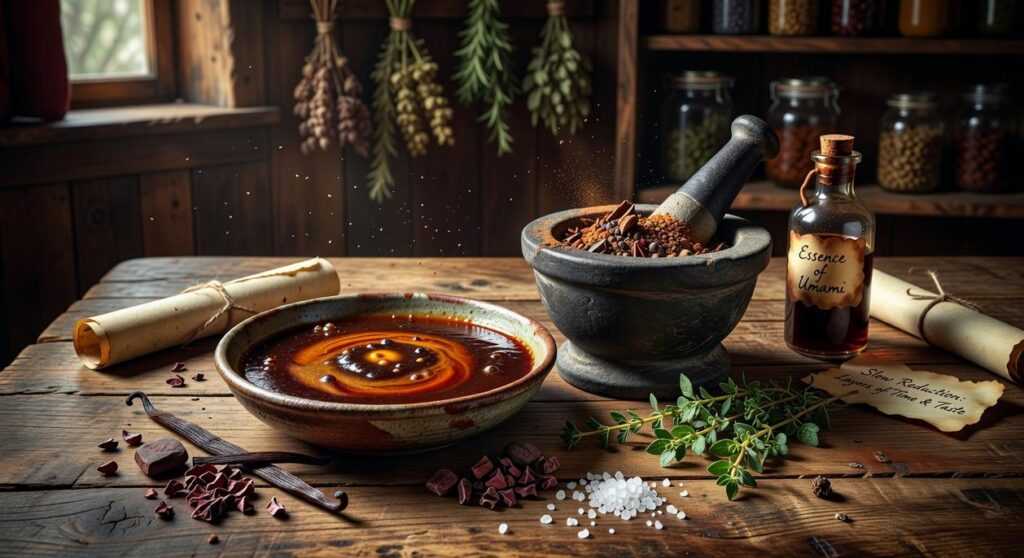

Curious about how Middle Eastern flavors can transform your everyday cooking? This article is designed to help you understand the essential herbs and spices that define the region’s most memorable dishes—and how to use them confidently in your own kitchen. From the earthy tang of za’atar to the citrusy brightness of sumac and the warm depth of baharat, we’ll break down what each blend or spice brings to the table and how to pair them with familiar ingredients.
Whether you’re experimenting with fusion meals or simply looking to upgrade your weeknight dinners, you’ll find practical flavor basics, creative ideas, and smart prep tips you can apply right away. Our insights are grounded in hands-on recipe testing, culinary research, and careful study of traditional uses across Middle Eastern cuisines—so you can trust that the guidance here is both authentic and adaptable for modern kitchens.
Your Spice Passport
Unlocking authentic flavor starts with understanding Middle Eastern herbs and spices. When you know what za’atar, sumac, and baharat actually taste like, your cooking transforms from guesswork to confidence. Instead of bland “curry powder” shortcuts, you’ll build vibrant layers that taste like they came from a bustling souk.
Here’s what you gain:
- Clear shopping direction
- Foolproof pairings for meats, grains, and vegetables
- Deeper aroma, color, and balance in every dish
The payoff? Dishes that impress guests—and make weeknight dinners feel extraordinary. You cook boldly, confidently, and with unmistakable regional character every single time.
The Seven Pillars: Essential Single Spices
As you explore the bold flavors of key herbs and aromatics in Middle Eastern dishes, you might also be inspired to venture into the exciting realm of blending cuisines, such as with the Creative Asian-Mexican Fusion Recipes to Try at Home.
When I think about building flavor, I always come back to seven essentials. These are the backbone of countless Middle Eastern herbs and spices traditions—and, frankly, the difference between food that’s fine and food that’s unforgettable.
-
Sumac: Bright, tangy, and lemony. It’s a finishing spice (meaning you sprinkle it on just before serving) that wakes up salads, grilled meats, and dips. I’d argue it’s better than a squeeze of lemon because it adds acidity without extra liquid.
-
Cumin: Earthy and warm. Whole cumin seeds are toasted for nutty depth; ground cumin blends seamlessly into stews and marinades. Some say it’s overpowering, but in lentil dishes, that boldness is the point.
-
Coriander: Citrusy and slightly sweet. Used with cumin, it creates a balanced base for falafel and meat rubs. Alone, it’s gentle; together, they’re Batman and Robin.
-
Turmeric: Earthy and faintly bitter. Beyond its golden color, it anchors tagines and pickles. While praised for anti-inflammatory properties (Harvard Health), I value it most for warmth.
-
Cardamom: Sweet-spicy and intensely aromatic. It shines in biryani and even coffee. Some find it perfumed; I find it irresistible.
-
Allspice: A single berry tasting like cinnamon, nutmeg, and cloves combined. Essential in kibbeh and marinades.
-
Black Lime (Loomi): Dried lime with smoky, sour depth. It transforms Persian stews and soups (pro tip: pierce it before simmering).
Fresh & Dried: The Core Herbaceous Notes
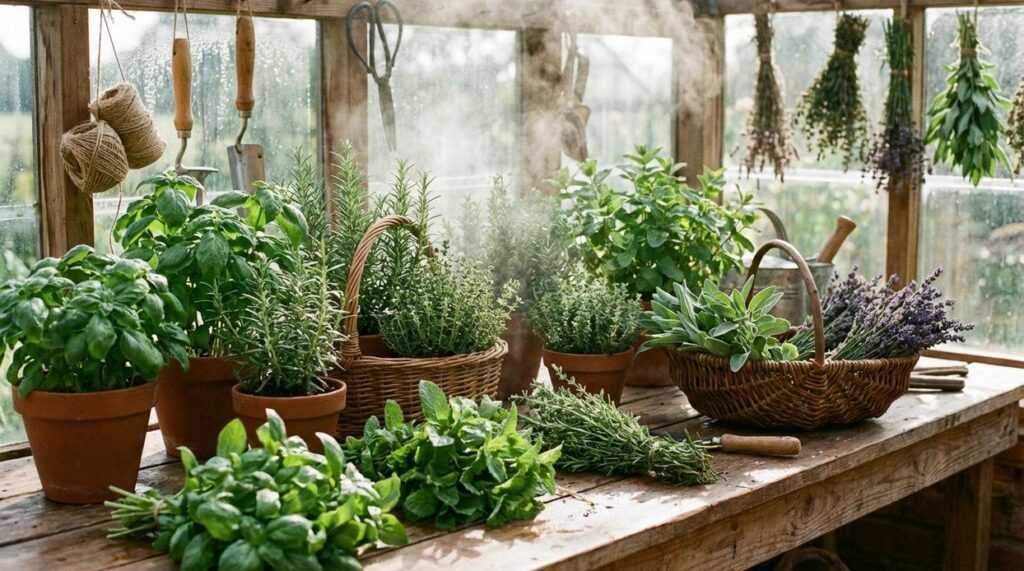
Herbs aren’t background noise—they’re the lead vocals. If you want brighter, bolder cooking, start here.
Parsley is the fresh, green foundation. Too often dismissed as garnish, it’s actually the backbone of tabbouleh, where it’s used by the handful, not the pinch. Choose flat-leaf parsley for deeper flavor, and chop it just before serving to keep its color vivid (nobody likes swampy greens).
Mint brings cool sweetness to salads, teas, and yogurt sauces. Fresh mint is lively and almost citrusy, while dried mint is more concentrated and slightly earthy. My recommendation: use fresh in salads and drinks, dried in yogurt or marinades where you want intensity without extra moisture.
Dill is aromatic with a gentle tang. Fold it into yogurt dips or stir it through Persian baghali polo for a fragrant lift. Add it at the end of cooking to preserve its delicate oils.
- Toss chopped parsley and dill into warm rice.
- Blend mint into yogurt with lemon and salt.
- Sprinkle oregano and thyme over flatbread before baking.
Oregano & Thyme are earthy and robust, ideal for marinades and breads. They anchor the iconic za’atar blend and define many Middle Eastern herbs and spices traditions. If you’re unsure where to start, build your next marinade around thyme and olive oil—you won’t regret it.
Master Blends: The Art of Combination
Spice blends are culinary shortcuts with serious upside. Instead of juggling ten jars, you get balance, depth, and cultural authenticity in a single scoop. That’s the magic of master blends—they do the hard work for you.
Za’atar: The Ultimate Savory Sprinkle
Za’atar typically combines thyme, sumac, and sesame seeds. The thyme brings earthiness, sumac adds lemony brightness (without the actual lemon), and sesame delivers nutty crunch. Sprinkle it over flatbreads with olive oil, dust it onto eggs, or toss it with roasted vegetables. The benefit? Instant complexity with almost no effort. It’s flavor ROI at its finest.
Baharat: The All-Purpose Warm Blend
Baharat often includes black pepper, paprika, coriander, and cumin. Think of it as your savory Swiss Army knife. It deepens meat marinades, enriches soups, and transforms plain rice into something dinner-party worthy. Some argue single spices offer more control. True—but baharat saves time while maintaining harmony (and harmony is what most home cooks struggle to achieve).
Ras el Hanout: The ‘Top of the Shop’
Ras el Hanout can contain dozens of ingredients, sometimes even rose petals. Floral, warm, slightly sweet—it’s reserved for special dishes like tagines and couscous. Using it signals intention. You’re not just cooking; you’re crafting an experience. That layered flavor is why blends remain central to Middle Eastern herbs and spices traditions.
DIY vs. Store-Bought
Pre-made blends offer convenience and consistency. DIY versions offer freshness and customization. Grinding your own spices maximizes aroma (pro tip: toast whole spices first). Either way, understanding blends sharpens your broader spice knowledge—especially when exploring essential spices used in traditional indian cooking.
The win for you? Faster meals, deeper flavor, and confidence that tastes like you trained somewhere impressive.
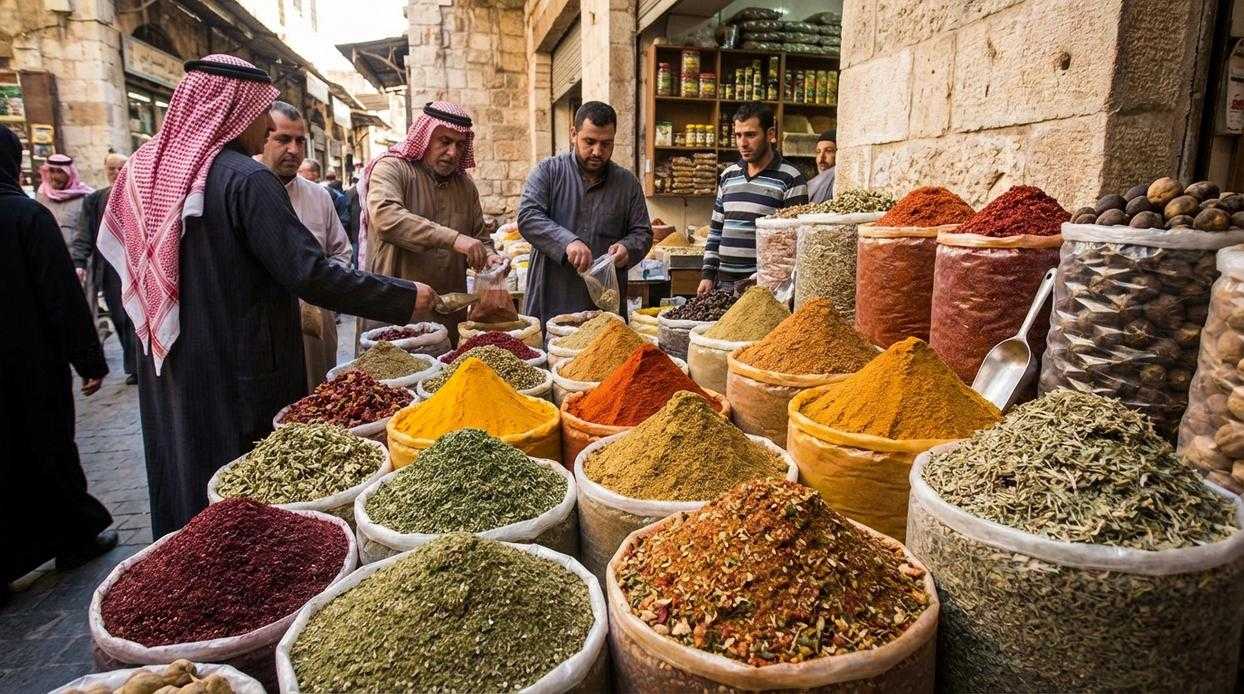
I once bought bargain-bin cumin, and dinner tasted like dust (lesson learned). Since then, I start with an anecdote about chasing freshness: the day I stepped into a tiny neighborhood market and smelled toasted coriander in the air. First, seek out Middle Eastern grocery stores or reputable online spice merchants; turnover is higher, so flavor is brighter. Whenever possible, buy whole spices and grind them yourself for maximum potency. Pro tip: toast seeds briefly before grinding. Finally, store spices in airtight containers away from heat and light to protect their essential oils—especially delicate Middle Eastern herbs and spices.
Now that you understand the foundations, it’s time to bring your pantry to life. With Middle Eastern herbs and spices, you’re not just seasoning food; you’re building flavor architecture. First, stock versatile staples like cumin for warmth and sumac for bright acidity. Second, add a balanced blend such as za’atar to layer thyme, sesame, and tang in one shake. As a result, weeknight meals transform from predictable to memorable. Moreover, mastering one spice and one blend builds confidence fast. Try them on eggs, roasted vegetables, or grilled chicken—and taste the upgrade (yes, it’s that noticeable). Start small and experiment boldly.
Bring Bold Flavor Into Your Kitchen Tonight
You came here looking for fresh culinary inspiration and practical ways to explore global flavors with confidence. Now you have the foundation — from creative fusion meal ideas to smart prep strategies — to turn everyday cooking into something vibrant and memorable.
If your meals have been feeling repetitive or lacking depth, the answer isn’t complicated. It’s about layering flavor with intention and experimenting with powerful ingredients like za’atar, sumac, and baharat to transform simple dishes into standout experiences.
Don’t let another dinner feel ordinary. Start by choosing one new flavor combination to try this week, prep your ingredients with purpose, and experiment boldly. Thousands of home cooks are already elevating their kitchens with these globally inspired techniques.
Ready to break out of your cooking rut? Explore more flavor-packed ideas, try a new taste experiment tonight, and bring excitement back to your table.
 Head of Culinary Content & Flavor Research
There is a specific skill involved in explaining something clearly — one that is completely separate from actually knowing the subject. Randolph Mountainearestic has both. They has spent years working with global flavor basics in a hands-on capacity, and an equal amount of time figuring out how to translate that experience into writing that people with different backgrounds can actually absorb and use.
Randolph tends to approach complex subjects — Global Flavor Basics, Culinary Buzz, Curious Insights being good examples — by starting with what the reader already knows, then building outward from there rather than dropping them in the deep end. It sounds like a small thing. In practice it makes a significant difference in whether someone finishes the article or abandons it halfway through. They is also good at knowing when to stop — a surprisingly underrated skill. Some writers bury useful information under so many caveats and qualifications that the point disappears. Randolph knows where the point is and gets there without too many detours.
The practical effect of all this is that people who read Randolph's work tend to come away actually capable of doing something with it. Not just vaguely informed — actually capable. For a writer working in global flavor basics, that is probably the best possible outcome, and it's the standard Randolph holds they's own work to.
Head of Culinary Content & Flavor Research
There is a specific skill involved in explaining something clearly — one that is completely separate from actually knowing the subject. Randolph Mountainearestic has both. They has spent years working with global flavor basics in a hands-on capacity, and an equal amount of time figuring out how to translate that experience into writing that people with different backgrounds can actually absorb and use.
Randolph tends to approach complex subjects — Global Flavor Basics, Culinary Buzz, Curious Insights being good examples — by starting with what the reader already knows, then building outward from there rather than dropping them in the deep end. It sounds like a small thing. In practice it makes a significant difference in whether someone finishes the article or abandons it halfway through. They is also good at knowing when to stop — a surprisingly underrated skill. Some writers bury useful information under so many caveats and qualifications that the point disappears. Randolph knows where the point is and gets there without too many detours.
The practical effect of all this is that people who read Randolph's work tend to come away actually capable of doing something with it. Not just vaguely informed — actually capable. For a writer working in global flavor basics, that is probably the best possible outcome, and it's the standard Randolph holds they's own work to.