If you’re searching for a clear, flavorful guide to Mediterranean cuisine ingredients, you’re likely looking to understand what truly defines this vibrant culinary tradition—and how to bring those flavors into your own kitchen. This article delivers exactly that.
We break down the essential components that shape Mediterranean cooking, from pantry staples to fresh market finds, and explain how each ingredient contributes to the region’s signature balance of brightness, depth, and simplicity. Whether you’re experimenting with fusion meals, refining your prep routine, or exploring global flavor basics, you’ll find practical insights you can use immediately.
Our approach combines culinary trend research, traditional cooking knowledge, and hands-on kitchen experimentation to ensure accuracy and relevance. By the end, you’ll not only recognize the core ingredients that define Mediterranean dishes—you’ll know how to use them confidently to create bold, balanced meals at home.
Unlock the sun-kissed flavors of the Mediterranean by mastering simplicity. Many home cooks fear the cuisine is complex, yet its magic rests in olive oil, ripe tomatoes, fragrant herbs, grains, and seafood. These Mediterranean cuisine ingredients work together through balance and contrast. Freshness is the real secret. Start with a smart pantry:
- Extra-virgin olive oil
- Dried oregano and thyme
- Chickpeas and lentils
Then ask: what dish comes next? Try a simple mezze spread before tackling paella or moussaka. Pro tip: taste as you cook. Once stocked, you’ll experiment confidently and plan seasonal menus with ease and joy.
The Flavor Trinity: Olive Oil, Garlic, and Lemon
As you dive into the vibrant world of Mediterranean cuisine, understanding its core ingredients will not only enhance your culinary skills but also make Organizing Your Pantry for Efficient Cooking even more valuable.
“Start with good olive oil,” my neighbor insisted, holding up a green bottle like it was liquid gold. Extra Virgin Olive Oil is the undisputed cornerstone—robust and peppery when drizzled over grilled vegetables, yet mellow enough for sautéing. It’s rich in monounsaturated fats, which the American Heart Association links to improved heart health. In other words, flavor AND function (not a bad deal).
Garlic is the aromatic workhorse. “Raw, it bites back,” a chef once told me. Minced into a vinaigrette, it’s sharp and pungent. Roast it, though, and it turns sweet, spreadable, almost buttery. SAME BULB, different personality.
Lemons bring brightness. Use the juice to cut through richness and the zest for fragrant, floral lift in everything from fish to pastries.
Together, these Mediterranean cuisine ingredients form a trio that sings:
• Drizzle
• Sizzle
• Spark
Simple. Powerful. Timeless.
From the Garden: Essential Vegetables and Fruits
I still remember the first time I oversalted an eggplant. I was sixteen, convinced I could skip a step and outsmart bitterness (I couldn’t). That humble, spongy vegetable taught me more about patience than any cookbook ever did.
The Nightshades
Tomatoes—fresh, sun-dried, and canned—anchor sauces and stews. Eggplants and bell peppers follow closely, forming the backbone of many Mediterranean cuisine ingredients lists. Their sweetness deepens when roasted, their edges caramelizing into something almost smoky.
Kitchen Prep Tip: Slice eggplant, salt generously, and let it rest 30 minutes. The salt draws out excess moisture (that’s osmosis at work), reducing bitterness and preventing oil from soaking in like a sponge. Pat dry before cooking.
The Greens
Cucumbers and red onions bring crunch to salads, while spinach and chard wilt beautifully into savory pies or quick sautés (a weeknight lifesaver).
| Ingredient | Best Use | Flavor Note |
|---|---|---|
| Spinach | Wilted sides |
Mild, earthy |
| Chard | Savory pies | Slightly sweet |
| Cucumber | Fresh salads | Crisp, cooling |
Essential Fruits
Figs, dates, pomegranates, and grapes blur sweet and savory lines. Toss grapes into roasted dishes or scatter pomegranate seeds over salads for brightness (trust me, it wakes everything up).
The Aromatic Heart: Essential Herbs and Spices
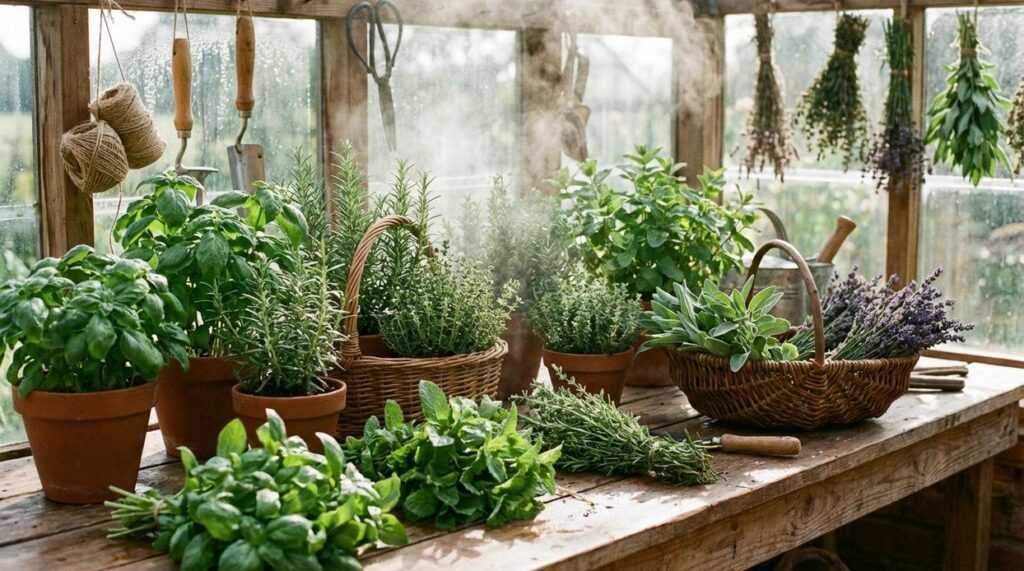
Every memorable dish has an aromatic core. Start with the fresh herb quartet: oregano (robust and earthy), flat-leaf parsley (clean and bright), mint (cool and refreshing), and rosemary (piney and potent). Chop them just before serving to preserve their volatile oils—those delicate compounds responsible for aroma (yes, timing matters).
Next, layer in key dried spices. Cumin adds warm, nutty depth; coriander brings citrusy sweetness; smoked paprika delivers subtle heat and a campfire note. For a finishing touch, sprinkle sumac—a tangy, lemony spice often used as a garnish—to brighten roasted vegetables or grilled proteins.
For example, try rosemary-crusted tofu: press tofu, brush with olive oil, coat with chopped rosemary, cumin, and smoked paprika, then bake at 400°F for 25 minutes. The result? Crispy outside, tender inside.
As you experiment with Mediterranean cuisine ingredients, balance fresh and dried elements thoughtfully. Then, for broader flavor inspiration, explore a beginners guide to classic japanese seasonings.
Proteins of the Coast and Countryside
When choosing between coastal and countryside proteins, the differences are as vivid as sea spray versus open pasture. From the Sea: fresh, oily fish like sardines, anchovies, and sea bass deliver bold flavor and heart-healthy omega-3s (linked to reduced cardiovascular risk, per the American Heart Association). Grilled or baked whole with lemon and herbs, they’re light yet deeply satisfying. In contrast, From the Land: chicken and lamb offer richer, savory depth. Marinated in yogurt, herbs, and spices, then grilled or slow-cooked, they trade briny brightness for comforting warmth.
Still, there’s a third contender. The Plant-Based Powerhouses—chickpeas, lentils, and fava beans—aren’t sides; they’re center stage. Packed with fiber and plant protein, legumes support gut health and steady energy. If fish is the sprinter and lamb the weightlifter, legumes are the marathoner (quietly winning the race).
Together, these Mediterranean cuisine ingredients create balance—sea freshness, land richness, and plant resilience on one table.
Hearty Foundations: Grains, Legumes, and Breads
Ancient grains deserve more credit than their “health food” reputation suggests. Bulgur wheat (the backbone of tabbouleh), couscous, and farro bring nutty flavor and chewy texture that turn simple salads and pilafs into something deeply satisfying. Some argue grains are just filler. I disagree. Texture is flavor’s co‑conspirator (ever notice how a mushy salad feels like a chore?). Farro’s bite and bulgur’s tenderness create contrast that keeps each forkful interesting.
Legumes go far beyond protein. Chickpeas become hummus; fava beans transform into silky fava; lentils thicken soups into hearty meals. They add body, not just nutrients. Dismissing them as “budget basics” misses their structural role in cooking.
And bread? It’s not optional. Crusty, rustic loaves are EDIBLE UTENSILS—perfect for dipping in olive oil, scooping sauces, or forming panzanella. Mediterranean cuisine ingredients shine brightest when bread joins the table.
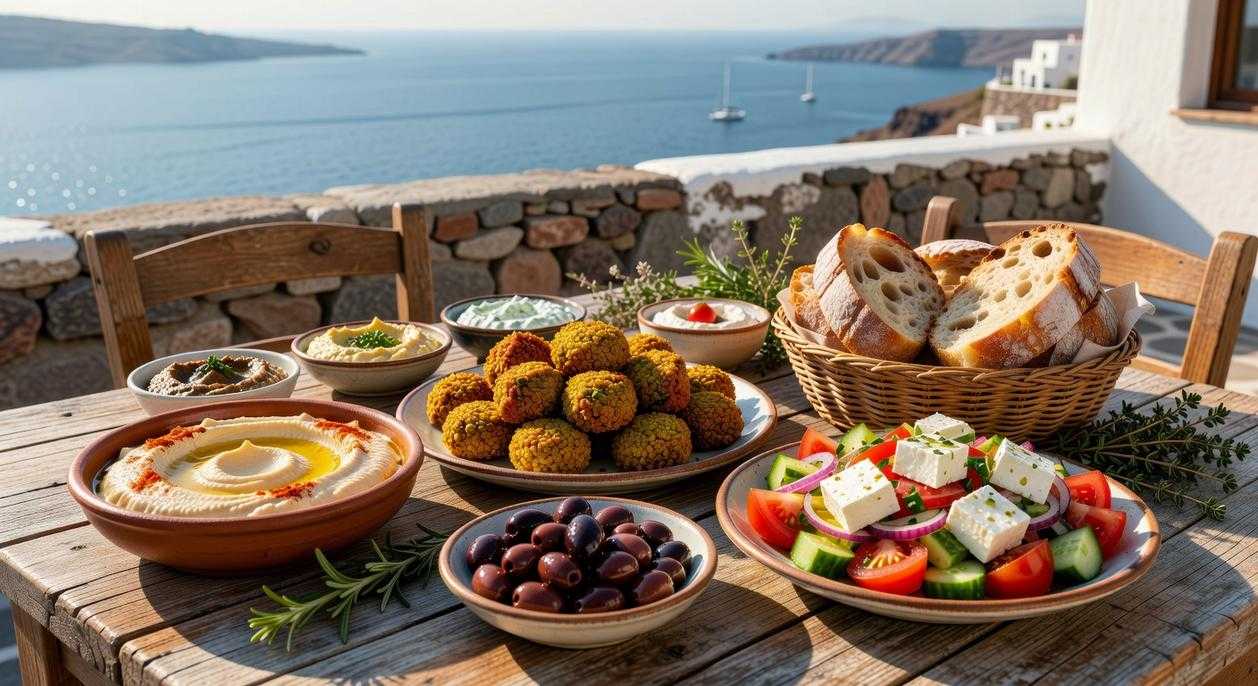
Start with an anecdote about the first time I tried to recreate a seaside Greek dinner at home. I remember staring at a tiny shopping bag and thinking it couldn’t possibly be enough. But it was. Quality over quantity became my mantra. With a few Mediterranean cuisine ingredients, everything changed.
- Feta melted into warm chicken.
- Parsley brightened every bite.
- Lemon lifted the whole dish.
Friends asked for the recipe; I laughed because there wasn’t one. The secret was a stocked pantry and confidence. Start simple this week and taste the difference yourself. It truly feels like summer abroad. On Sundays.
Bringing Bold Flavor to Your Table
You came here looking to better understand how to use Mediterranean cuisine ingredients to create vibrant, balanced meals—and now you have the foundation to do exactly that. From layering fresh herbs and olive oil to experimenting with grains, seafood, and bright citrus notes, you’ve seen how simple components can transform everyday cooking into something memorable.
If you’ve ever felt stuck in a routine of bland, repetitive meals, you’re not alone. The real frustration isn’t just lack of variety—it’s not knowing how to confidently combine flavors that truly work. With the right prep tips, fusion ideas, and creative taste experiments, your kitchen can become a space of discovery instead of guesswork.
Now it’s time to take action. Start by choosing one new flavor combination this week and build a dish around it. Explore more global flavor guides, try a bold Toaf taste experiment, and elevate your prep game with proven techniques trusted by flavor enthusiasts everywhere.
Don’t settle for ordinary meals. Dive in, experiment boldly, and turn your next dish into a standout experience.
 Founder & Culinary Innovation Director
There is a specific skill involved in explaining something clearly — one that is completely separate from actually knowing the subject. Sylric Xelthorne has both. They has spent years working with curious insights in a hands-on capacity, and an equal amount of time figuring out how to translate that experience into writing that people with different backgrounds can actually absorb and use.
Sylric tends to approach complex subjects — Curious Insights, Culinary Buzz, Fusion Meal Ideas being good examples — by starting with what the reader already knows, then building outward from there rather than dropping them in the deep end. It sounds like a small thing. In practice it makes a significant difference in whether someone finishes the article or abandons it halfway through. They is also good at knowing when to stop — a surprisingly underrated skill. Some writers bury useful information under so many caveats and qualifications that the point disappears. Sylric knows where the point is and gets there without too many detours.
The practical effect of all this is that people who read Sylric's work tend to come away actually capable of doing something with it. Not just vaguely informed — actually capable. For a writer working in curious insights, that is probably the best possible outcome, and it's the standard Sylric holds they's own work to.
Founder & Culinary Innovation Director
There is a specific skill involved in explaining something clearly — one that is completely separate from actually knowing the subject. Sylric Xelthorne has both. They has spent years working with curious insights in a hands-on capacity, and an equal amount of time figuring out how to translate that experience into writing that people with different backgrounds can actually absorb and use.
Sylric tends to approach complex subjects — Curious Insights, Culinary Buzz, Fusion Meal Ideas being good examples — by starting with what the reader already knows, then building outward from there rather than dropping them in the deep end. It sounds like a small thing. In practice it makes a significant difference in whether someone finishes the article or abandons it halfway through. They is also good at knowing when to stop — a surprisingly underrated skill. Some writers bury useful information under so many caveats and qualifications that the point disappears. Sylric knows where the point is and gets there without too many detours.
The practical effect of all this is that people who read Sylric's work tend to come away actually capable of doing something with it. Not just vaguely informed — actually capable. For a writer working in curious insights, that is probably the best possible outcome, and it's the standard Sylric holds they's own work to.