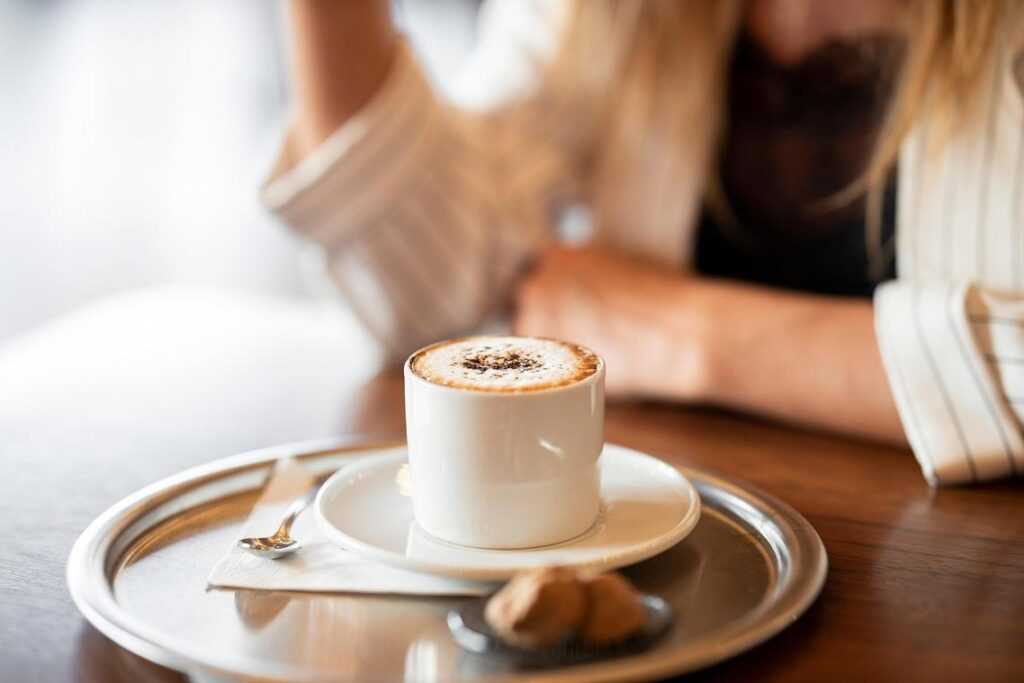

If you’ve noticed how quickly recipes, flavor trends, and viral dishes spread online, you’re not alone. social media food culture has transformed the way we discover, cook, and experience food—turning everyday meals into global conversations. This article explores how digital platforms shape culinary buzz, influence flavor trends, and inspire creative fusion meals you can actually recreate in your own kitchen.
You’re here to understand what’s trending, why it matters, and how to turn online inspiration into real-world results. We break down emerging global flavor basics, highlight innovative Toaf taste experiments, and share practical kitchen prep tips that make complex dishes approachable.
Our insights are grounded in hands-on testing, ongoing trend analysis, and careful observation of how food movements evolve across platforms. Whether you’re experimenting with bold new combinations or refining your fundamentals, you’ll find clear, practical guidance to help you cook with confidence and creativity.
Last night you scrolled past a molten chocolate croissant, and suddenly your dinner felt inadequate. That impulse isn’t random; it’s engineered. The boundary between what we see and what we eat has blurred, reshaping cravings, grocery lists, and even restaurant menus. Platforms like Instagram, TikTok, and Pinterest don’t merely showcase dishes; through algorithms, short-form video loops, and high-saturation photography, they amplify specific textures and colors that trigger appetite (yes, that glossy cheese pull matters). Consequently, social media food culture now dictates trends—from whipped coffee to butter boards—faster than any cookbook ever could. This shift demands closer cultural scrutiny and analysis.
The Rise of the “Instagrammable” Dish”
As social media continues to shape our culinary preferences and trends, understanding the delicate interplay of flavors—explored in our article on The Science Behind Balancing Salt, Fat, Acid, and Heat—becomes essential for both home cooks and food enthusiasts alike.
We used to say we eat with our eyes first. Now? The camera eats first. That shift explains the rise of the “Instagrammable” dish—food engineered for visual flavor, where appearance rivals (or even outranks) taste. Visual flavor simply means the aesthetic impact of a dish: color, height, contrast, sparkle. Think rainbow bagels, gravity‑defying freakshakes piled with donuts, edible glitter dusted over lattes, or meticulously deconstructed plating that turns dinner into abstract art.
I’ll admit it: I’ve ordered a shimmering purple latte purely for the photo. But here’s my hesitation. When spectacle dominates, flavor can become an afterthought (and no filter fixes bland cake). Critics argue this trend cheapens culinary craft, reducing chefs to set designers. I disagree—partially. Creativity has always driven cuisine. What’s new is the pressure from social media food culture, where shareability equals survival.
Restaurants now design with cameras in mind:
- Bright, diffused lighting at every table
- Neon signs for backdrop moments
- Plates chosen for color contrast
That strategy works. Studies show visually appealing food increases perceived taste and value (Spence et al., 2014). Still, I believe the sweet spot blends drama with depth. A dish should stun the lens—and satisfy the palate.
Viral Recipes and the Home Cooking Revolution
First, a confession: most of us didn’t learn to cook from a leather-bound cookbook—we learned from a 30-second video with subtitles and lo‑fi music. Short-form platforms like TikTok and Instagram Reels have turned everyday kitchens into stages, transforming complex techniques into swipeable, repeatable moments. In doing so, they’ve democratized cooking—meaning they’ve made culinary skills accessible to anyone with a phone and a grocery list.
Take Dalgona coffee. At its core, it’s whipped instant coffee, sugar, and water. Yet its visual drama (that cloud-like foam) made it irresistible. Baked feta pasta followed: minimal ingredients, maximal payoff, and a satisfying oven reveal. Then came cloud bread—less about flavor, more about spectacle. Critics argued these recipes were gimmicks (and sometimes they were). However, their real power wasn’t perfection; it was participation.
What competitors often miss is the measurable economic ripple. According to NielsenIQ, feta sales spiked by over 200% in some regions during the baked feta pasta craze (NielsenIQ, 2021). Suddenly, grocery stores weren’t just stocking staples—they were forecasting trends born in social media food culture. Pantry habits shifted in real time.
Meanwhile, short-form video compresses intimidation into clarity. A beurre blanc sounds daunting until it’s broken into three captions and a timer graphic. That reduction of friction—removing perceived difficulty—is the true innovation.
Pro tip: If a recipe goes viral, check ingredient shelf stability before shopping; demand spikes fast.
Ultimately, viral recipes succeed not because they’re flawless, but because they invite everyone to try (and maybe fail) together.
How Social Media Redefines “Authentic” Dining

Scroll for five minutes and you’ll see it: a tiny family-owned restaurant suddenly PACKED because a local creator posted one irresistible reel. For small eateries with limited marketing budgets, that visibility can be transformative. Influencers often act as modern word-of-mouth, introducing hidden gems to wider audiences and driving real revenue (a 2023 study by Influencer Marketing Hub found 61% of consumers trust influencer recommendations).
Social media also accelerates fusion cuisine—the blending of culinary traditions into new dishes. A Korean taco truck in L.A. inspires a chef in Berlin within days. That rapid exchange fuels creativity and makes global flavors more accessible. Curious about plant-forward mashups? Explore plant based innovations changing everyday meals for practical inspiration.
But critics argue influencer hype can dilute authenticity. When every dish is optimized for aesthetics, are we losing cultural depth? It depends. User-generated reviews offer diverse, real-time perspectives, while professional critics provide context and technique analysis. BOTH have value.
Ultimately, social media food culture creates new “foodie destinations,” boosting tourism and local economies. The key for diners: look beyond the trend. Ask who’s cooking, why it matters, and what story the plate tells (because authenticity is more than a backdrop).
The Unsavory Side of Digital Dining
At first glance, viral dishes seem harmless. However, the pressure behind them is anything but. A 2023 survey by Back of House found that 62% of chefs reported burnout linked to constant menu changes and online performance demands. In other words, “content churn”—the rapid creation of camera-ready dishes—has become part of the job (and not the fun part).
Moreover, food waste is rising. The UN estimates one-third of all food produced globally is wasted; trend-driven pop-ups and photo-only plates add to that tally when impractical creations are discarded after filming. Think towering milkshakes worthy of a Timothée Chalamet cameo—beautiful, barely edible.
Consider three ripple effects:
- Creative fatigue as chefs chase algorithms.
- Menu homogenization, where cities mirror the same viral bites.
- Trend fatigue among diners craving authenticity.
While social media food culture fuels discovery, it also narrows originality. Pro tip: prioritize flavor-first concepts over flash-in-the-pan fame.
Social media is no longer a side dish; it’s a permanent, powerful ingredient in modern food culture. From viral menu hacks to home cooks mastering sourdough, it has reshaped how we choose, cook, and crave. The upside? Access. You gain instant inspiration, global techniques, and confidence to experiment beyond your comfort zone. But what’s next—AI-generated recipes tailored to your fridge, hyper-personalized feeds predicting dinner before you’re hungry? social media food culture will keep evolving. Your advantage is mindfulness: savor real meals, question hype, and chase authentic flavor experiences offline too. Let curiosity guide you, not algorithms alone. Seek deeper nourishment.
Bring Global Flavor Into Your Kitchen Today
You came here looking for fresh culinary inspiration, bold fusion ideas, and practical ways to experiment with flavor in your own kitchen. Now you have the tools to explore global taste profiles, try Toaf-inspired creations, and elevate your everyday meals with confidence.
The real frustration isn’t a lack of recipes — it’s feeling stuck cooking the same predictable dishes while the world of social media food culture keeps evolving around you. You don’t have to stay in that rut.
Act on what you’ve learned. Try one new fusion combination this week. Experiment with a Toaf flavor twist. Prep your ingredients smarter so cooking feels exciting, not overwhelming. When you consistently bring global flavor basics into your routine, creativity becomes effortless.
If you’re ready to stop repeating boring meals and start creating dishes that spark conversation, now’s the time. Join thousands of flavor explorers who turn everyday cooking into an experience. Dive in, experiment boldly, and transform your next meal into something unforgettable.
 Head of Culinary Content & Flavor Research
There is a specific skill involved in explaining something clearly — one that is completely separate from actually knowing the subject. Randolph Mountainearestic has both. They has spent years working with global flavor basics in a hands-on capacity, and an equal amount of time figuring out how to translate that experience into writing that people with different backgrounds can actually absorb and use.
Randolph tends to approach complex subjects — Global Flavor Basics, Culinary Buzz, Curious Insights being good examples — by starting with what the reader already knows, then building outward from there rather than dropping them in the deep end. It sounds like a small thing. In practice it makes a significant difference in whether someone finishes the article or abandons it halfway through. They is also good at knowing when to stop — a surprisingly underrated skill. Some writers bury useful information under so many caveats and qualifications that the point disappears. Randolph knows where the point is and gets there without too many detours.
The practical effect of all this is that people who read Randolph's work tend to come away actually capable of doing something with it. Not just vaguely informed — actually capable. For a writer working in global flavor basics, that is probably the best possible outcome, and it's the standard Randolph holds they's own work to.
Head of Culinary Content & Flavor Research
There is a specific skill involved in explaining something clearly — one that is completely separate from actually knowing the subject. Randolph Mountainearestic has both. They has spent years working with global flavor basics in a hands-on capacity, and an equal amount of time figuring out how to translate that experience into writing that people with different backgrounds can actually absorb and use.
Randolph tends to approach complex subjects — Global Flavor Basics, Culinary Buzz, Curious Insights being good examples — by starting with what the reader already knows, then building outward from there rather than dropping them in the deep end. It sounds like a small thing. In practice it makes a significant difference in whether someone finishes the article or abandons it halfway through. They is also good at knowing when to stop — a surprisingly underrated skill. Some writers bury useful information under so many caveats and qualifications that the point disappears. Randolph knows where the point is and gets there without too many detours.
The practical effect of all this is that people who read Randolph's work tend to come away actually capable of doing something with it. Not just vaguely informed — actually capable. For a writer working in global flavor basics, that is probably the best possible outcome, and it's the standard Randolph holds they's own work to.