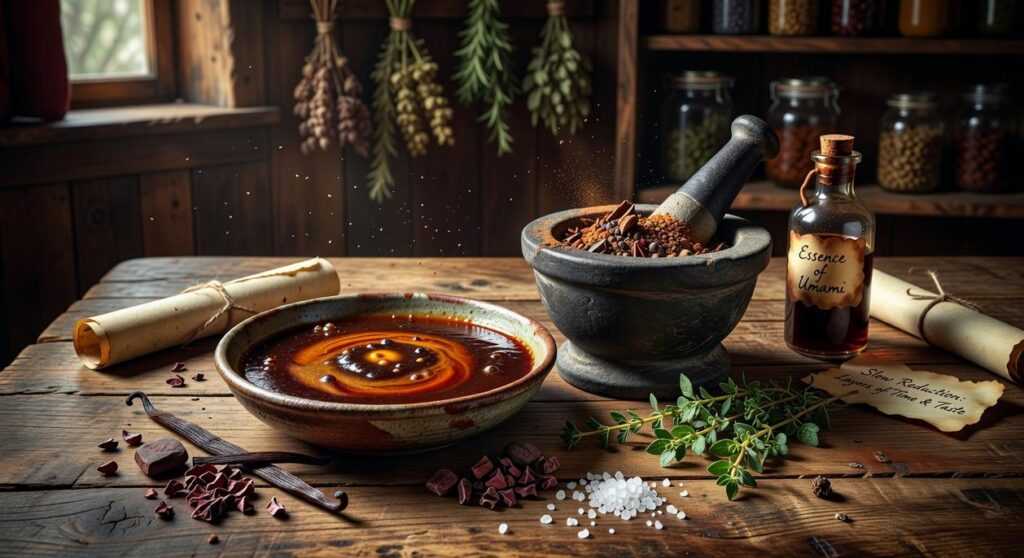

Have you noticed how your dinner plate is becoming a mini globe? Ingredients like gochujang, za’atar, or yuzu might just be lurking in your pantry or popping up in that trendy dish at your favorite spot. It’s not just coincidence.
The world is shrinking, and our taste buds are happily tagging along for the ride.
I’ve spent years digging into these flavor shifts, tracking every spicy, zesty, or umami twist that lands on our tables. Why? Because I love the stories they tell.
Food is no longer just fuel; it’s a cultural mix woven with stories of migration, social media trends, and more. That’s why I’m diving into globalization changing palates and how it’s reshaping what we eat.
Stick around. I’ll break down these influences and promise a flavorful journey into the modern culinary world.
The Digital Dinner Table: How Screens Are Spicing Up Our Kitchens
The internet and social media are changing how we eat. Fast. Platforms like TikTok and Instagram aren’t just entertainment; they’re powerhouses of culinary influence.
Remember the viral baked feta pasta or the dalgona coffee craze? A single video can spark a massive demand, sending everyone racing to their kitchens (or the grocery store). It’s globalization changing palates in real-time.
I love how these platforms democratize food. Anyone, anywhere, can join the global culinary conversation. It doesn’t matter if you’re in Paris or Peoria; if a dish takes off online, you’re part of the excitement.
It’s not just about following recipes. It’s about participating in something bigger.
Food-focused streaming shows like Netflix’s “Chef’s Table” or “Salt Fat Acid Heat” do more than just serve up recipes. They tell stories that connect, building emotional connections with cuisines and chefs. These narratives inspire viewers to explore new flavors and techniques.
If you haven’t watched these shows yet, you’re missing out on a banquet of inspiration.
So what’s the allure? Why do you crave certain flavors after watching a food show or scrolling TikTok? This guide dives into the psychology behind our taste preferences.
Pro Tip: Don’t just watch. Cook. Try out that trendy recipe you saw online. You’ll be surprised how much fun you have experimenting in the kitchen.
Check it out.
In this digital age, sharing recipes and food experiences has never been easier. It’s a celebration of diversity and creativity. The digital dinner table is reshaping our kitchens, making them more lively and inclusive.
So, get involved. Open your mind and palate to new experiences. Who knows what you’ll discover?
The Traveler’s Palate: Bringing Authentic Flavors Home
Travel isn’t just about the sights. It’s about the tastes. When I journey to a new place, I don’t just come back with photos.
I come back with flavor souvenirs. Who can forget that first bite of authentic ramen in Tokyo? Or the rich aroma of a tagine in Marrakech?
These experiences stick with you. They’re more than meals; they’re stories.
But here’s the thing: we want these stories at home too. That’s why you see more international restaurants popping up and specialty grocery stores stocked with exotic spices. They’re catering to our adventurous taste buds. (Let’s be real, who hasn’t tried to make sushi after a trip to Japan?) It’s this desire that fuels a market shift.
It’s all about globalization changing palates.
Now, I won’t pretend my homemade paella matches the one in Valencia. But that’s not the point. The attempt itself is a celebration.
It’s about bringing a piece of that journey into your kitchen. You might not nail it every time. But every attempt is a nod to a world of flavors.
Isn’t it funny how a simple dish can transport you back to a bustling market halfway across the globe? It’s these moments that make travel (and) the attempts to recreate it (so) captivating. So, next time you travel, think about what flavors you’ll bring home.
What stories will you tell through your cooking? That’s the real souvenir.
The Community Kitchen: Migration’s Flavor Revolution
Migration isn’t just about people moving. It’s about flavors traveling. When folks bring their culinary traditions to new homes, something magical happens.
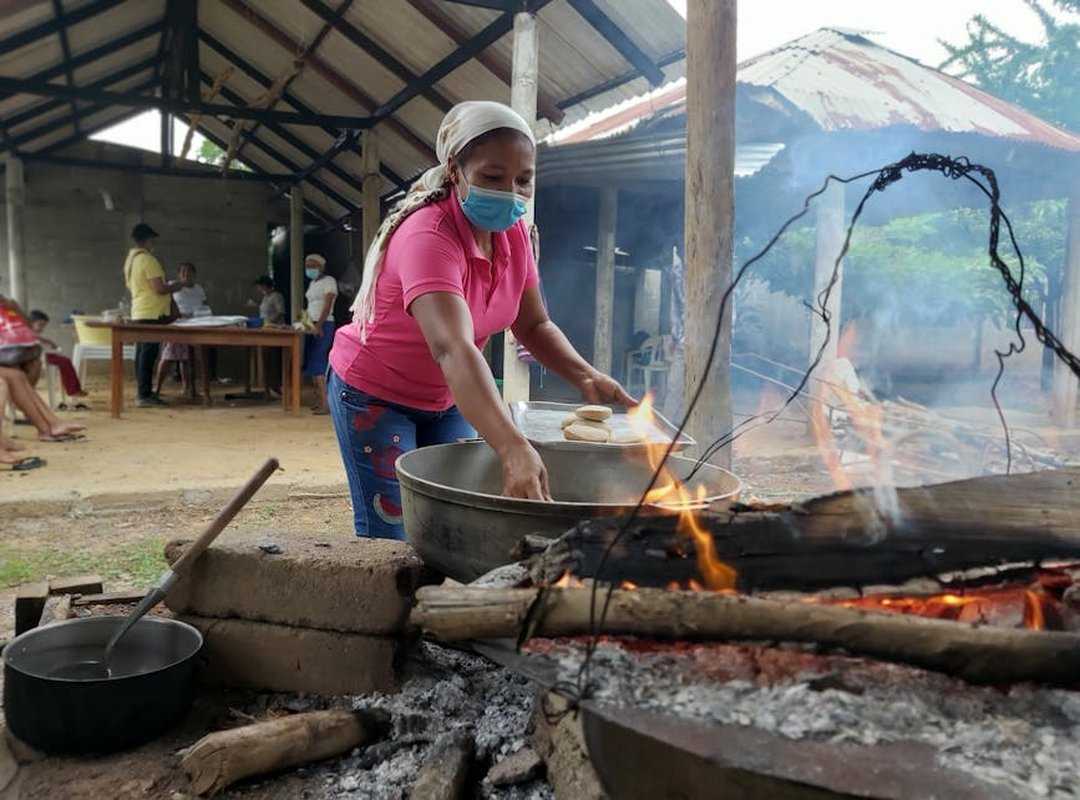
They open restaurants, bakeries, and grocery stores, offering us a taste of their heritage. This is how we get to enjoy the rich mix of global flavors right in our neighborhoods. It’s globalization changing palates in the most delicious way.
Take Mexican food in the U.S., for example. It used to be all about Tex-Mex (you know, tacos and burritos). But now?
We’re talking about Oaxacan mole and birria from Jalisco. These aren’t just dishes. They’re stories.
They’re history on a plate. We all love a good taco, sure, but it’s the depth and authenticity of these regional specialties that really get me excited.
And let’s talk fusion. Not that corporate “let’s mash things together for profit” fusion. I’m talking about the kind that happens naturally.
When a chef or a home cook combines traditional recipes with local ingredients, something fresh and exciting is born. It’s not forced. It’s a celebration of what happens when cultures meet.
You can’t plan it. It just happens.
Food is how we connect. It’s how we learn about each other. Ever walked into a small grocery store and found spices you can’t pronounce?
That’s the thrill of discovery. It’s like finding a little piece of another culture right around the corner. This kind of cultural exchange is useful.
It’s what makes our food scene so lively.
If you’re curious about how these flavors have shaped food culture, check out the history popular street foods. It’s a deep dive into how street food has evolved through history.
So next time you bite into something new, remember: you’re not just tasting food. You’re tasting history. You’re tasting migration.
That’s what makes it all so special. Food is the ultimate uniter.
The Global Pantry: Everyday Exotics
So, how did ingredients like avocados and Sriracha become staples in our kitchens? The magic lies in the logistics. With advancements in global supply chains, what was once rare is now regular.
We used to hunt through niche stores for quinoa. Now, it’s right there in your local supermarket, between the rice and pasta. The world’s gotten smaller, and our palates have changed with it.
Take avocados. They’ve become more than a trendy brunch item. Thanks to modern agriculture, they’re available year-round.
No more waiting for the right season or visiting specialty stores. This ease of access encourages us to experiment more. Ever tried an avocado smoothie?
You should.
Shipping technology has made it possible to deliver fresh produce from one continent to another in a matter of days. It’s pretty wild when you think about it. Globalization is changing palates everywhere.
It’s not just about access but about enhancing the variety in our meals.
And guess what? As these once-exotic ingredients become more common, our curiosity grows. We want to try more, pushing demand upward.
It’s a tasty cycle of exploration. So next time you’re at the store, grab something new. Who knows?
It might just become your next favorite staple.
Taste the World in Your Kitchen
We used to be stuck with local flavors. Now, thanks to digital trends and community sharing, our plates are borderless. Screens, travel, migration, and supply chains have opened doors to new tastes.
Ever been curious about globalization changing palates? You’re not alone.
The world is closer than you think. Next time you’re at the store, pick up one new ingredient you’ve never tried before. Your next favorite meal might be a world away, waiting in your own kitchen.
Sadatoaf.com is your guide. We’re the #1 rated source for culinary buzz and fusion meal ideas. Dive in now!
 Kitchen Operations & Prep Specialist
There is a specific skill involved in explaining something clearly — one that is completely separate from actually knowing the subject. Brandon Schwartzimba has both. They has spent years working with culinary buzz in a hands-on capacity, and an equal amount of time figuring out how to translate that experience into writing that people with different backgrounds can actually absorb and use.
Brandon tends to approach complex subjects — Culinary Buzz, Curious Insights, Fusion Meal Ideas being good examples — by starting with what the reader already knows, then building outward from there rather than dropping them in the deep end. It sounds like a small thing. In practice it makes a significant difference in whether someone finishes the article or abandons it halfway through. They is also good at knowing when to stop — a surprisingly underrated skill. Some writers bury useful information under so many caveats and qualifications that the point disappears. Brandon knows where the point is and gets there without too many detours.
The practical effect of all this is that people who read Brandon's work tend to come away actually capable of doing something with it. Not just vaguely informed — actually capable. For a writer working in culinary buzz, that is probably the best possible outcome, and it's the standard Brandon holds they's own work to.
Kitchen Operations & Prep Specialist
There is a specific skill involved in explaining something clearly — one that is completely separate from actually knowing the subject. Brandon Schwartzimba has both. They has spent years working with culinary buzz in a hands-on capacity, and an equal amount of time figuring out how to translate that experience into writing that people with different backgrounds can actually absorb and use.
Brandon tends to approach complex subjects — Culinary Buzz, Curious Insights, Fusion Meal Ideas being good examples — by starting with what the reader already knows, then building outward from there rather than dropping them in the deep end. It sounds like a small thing. In practice it makes a significant difference in whether someone finishes the article or abandons it halfway through. They is also good at knowing when to stop — a surprisingly underrated skill. Some writers bury useful information under so many caveats and qualifications that the point disappears. Brandon knows where the point is and gets there without too many detours.
The practical effect of all this is that people who read Brandon's work tend to come away actually capable of doing something with it. Not just vaguely informed — actually capable. For a writer working in culinary buzz, that is probably the best possible outcome, and it's the standard Brandon holds they's own work to.