
Cooking brings joy, right? But then there’s that nagging guilt when you’ve tossed yet another plastic wrap or broken spoon. Does it have to be this way?
This article is here to show you that a greener kitchen doesn’t mean sacrificing convenience or budget. You can have both. As someone who’s been in the trenches, testing what works, I promise you there are smart swaps out there.
We’re not talking about a full-blown overhaul of everything you own. Just practical steps toward an eco-friendlier space.
Imagine a kitchen that feels good and does good. The goal here is simple: to help you choose sustainable materials and eco-friendly ingredients kitchens without losing the joy of cooking. Trust me.
I’ve been there, and I’ve found it’s possible. Let’s get started on that journey.
Sustainable Kitchens: More Than Just Green
When I talk about sustainability in the kitchen, I’m not just talking about being green. It’s about durability. Ever used a cheap frying pan that just doesn’t cut it after a few months?
Imagine investing in a well-seasoned cast iron pan. It lasts years, gets better with age, and actually makes your food taste better. It’s like the culinary version of a fine wine (though maybe less boozy).
Now, let’s tackle the myth that eco-friendly means ineffective. Do you think eco-friendly ingredients kitchens somehow compromise on performance? Not at all.
Quality tools, like a solid wood cutting board, are sturdy and reliable. Plus, they keep your food safe because they’re non-toxic.
Let’s not forget about responsibly sourced materials. Buying a product that respects the environment often means it was crafted with care. And doesn’t that respect make the whole cooking experience feel more…human?
There’s also the ‘buy it once, buy it well’ philosophy. It’s not just some pretentious motto. It saves money and reduces waste in the long run.
Curious about how New Cooking Gadgets 2024 might fit into this picture? They’re changing the game, blending sustainability with modern tech. Check it out.
The Everyday Workhorses: Sustainable Swaps for Prep & Cooking
Let’s talk cutting boards. Here’s the deal: wood, bamboo, and recycled composites each have their quirks. Wood boards, especially if they’re FSC-certified, are naturally antimicrobial and kind on knives.
But they need a little TLC (think oiling). Bamboo? It grows fast and is tough.
But watch out, it can dull your knives over time and often has formaldehyde-based adhesives. Recycled composites are tough as nails and dishwasher-safe, but you’ll feel it in your wallet.
So, which one should you pick? If you’re the type who cooks like it’s an Olympic sport, a high-quality maple or walnut board is a solid investment. They last a lifetime if you care for them right.
But maybe you’re just slicing the occasional tomato. Then a bamboo board could do just fine.
Now, utensils. Wooden spoons, spatulas, and bamboo options are a win. They feel great and won’t scratch your non-stick pans.
Stainless steel? It’s a beast for ladles and turners, offering durability and heat resistance. Why settle for plastic when you can raise your kitchen game?
Curious about how to incorporate more eco-friendly ingredients kitchens? Check out this eco-friendly ingredients kitchens guide for more ideas. It’s time to rethink the basics and make smarter choices.
Are you ready to make the swap?
Breaking Up with Plastic: A Guide to Smarter Food Storage
Single-use plastic is a nightmare, isn’t it? It’s everywhere. Especially in our kitchens.
But I’m here to tell you there’s a better way. Let’s talk about covering bowls and wrapping food first. Have you tried beeswax wraps?
They’re fantastic. They use the heat of your hands to mold around anything, making them perfect for cheese, bread, or covering leftovers. They’re reusable, which means less waste.
And they’re kind of fun to use. Just wash them in cold water and they’re good to go again.
Silicone stretch lids are another gem. They fit over bowls and containers of all shapes. Flexible, reusable, and they keep your food fresh.
Plus, they’re easy to clean. No weird smells, no stains (just) practical storage.
Now for storing leftovers and meal prepping, glass containers with sealed lids are the gold standard. These containers are non-porous, so no stains or smells cling to them. They’re also microwave and oven safe.
So versatile.
Then there are reusable silicone bags like Stasher. These are a direct replacement for those pesky plastic baggies. Perfect for snacks, marinades, and yes, they can even go in the freezer.
They fit right into any eco-friendly ingredients kitchens setup.
Ever wonder how social media shaping culinary arts affects these trends? It’s fascinating how connected our choices are!
The Foundation: Cookware & Bakeware Built to Last
Investing in quality cookware isn’t just smart; it’s important. Why settle for cheap, peeling pans when you can have something that lasts? Let’s talk about the true heroes of the kitchen: cast iron, carbon steel, and stainless steel.
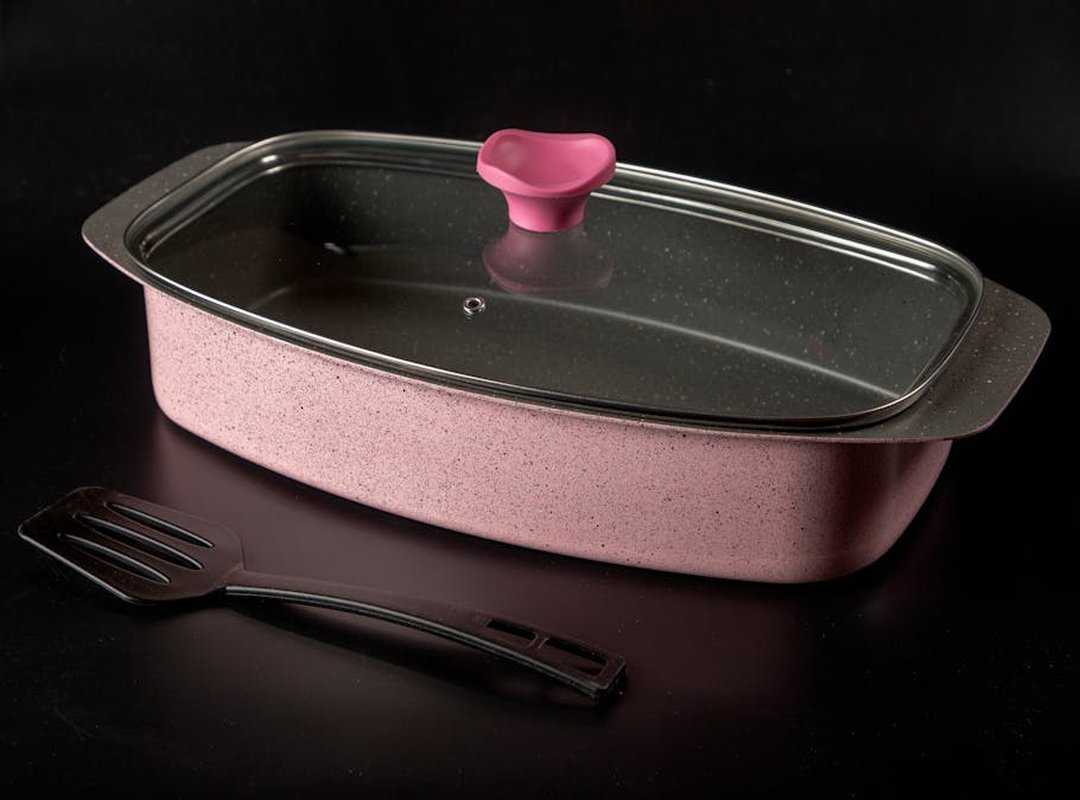
These materials are the real deal. Cast iron and carbon steel have incredible heat retention. They develop a natural non-stick “seasoning” over time.
Imagine passing down your skillet to your grandkids. That’s legacy.
Stainless steel, especially the clad kind, is a non-reactive workhorse. It’s perfect for sauces, searing, and boiling. You won’t find it reacting with your eco-friendly ingredients kitchens.
It’s the backbone of serious cooking. Ever watched a chef show? Notice what they use?
Exactly.
Now, let’s address the non-stick dilemma. Ceramic non-stick pans are a healthier alternative to traditional Teflon. They’re PTFE/PFOA-free, but they won’t last forever.
Still, they’re great for delicate foods like eggs. Just treat them kindly, and they’ll serve you well.
For bakeware, go for glass, ceramic, or uncoated stainless steel. They’re durable and perform like a dream. Ever tried baking in a flimsy tray?
It’s a nightmare. These materials hold up much better. Plus, they don’t warp like aluminum.
Pro tip: always let your bakeware cool before washing. It’ll last longer. So, are you ready to make the switch?
Your kitchen deserves it.
The Final Touch: Sustainable Kitchen Cleaning & Textiles
Let’s talk about that often-ignored part of the kitchen: cleanup. It’s usually an afterthought, right? But it shouldn’t be.
If you’re into eco-friendly ingredients kitchens, you need to consider what you’re using to clean up. Swap those disposable sponges for something better like compostable Swedish dishcloths or natural loofah scrubbers. They work, and they don’t add to the trash pile.
And paper towels? Who needs them when you’ve got absorbent organic cotton or linen dish towels? They’re perfect for spills and drying dishes.
Plus, they’re reusable, so you’re saving money and the planet.
While we’re at it, let’s ditch those plastic soap bottles. Solid dish soap bars are a great alternative. If you prefer liquid, look for local refill services.
It’s a small change but makes a big difference. Honestly, why keep using what harms the earth when there are better choices out there?
Your Sustainable Kitchen Awaits
Building a sustainable kitchen is a journey. It’s not about overnight changes, but about small, impactful steps. You wanted practical solutions, and now you have them.
The desire to cut waste and use safer materials doesn’t mean giving up the joy of cooking. Plus, investing in durable, high-quality items? That’s a win for your wallet and the planet.
Start today. Try one swap, maybe those beeswax wraps or a wooden spoon. Feel the difference.
Your kitchen filled with eco-friendly ingredients kitchens is within reach. Ready to make a change? Dive in and see the impact yourself.
 Founder & Culinary Innovation Director
There is a specific skill involved in explaining something clearly — one that is completely separate from actually knowing the subject. Sylric Xelthorne has both. They has spent years working with curious insights in a hands-on capacity, and an equal amount of time figuring out how to translate that experience into writing that people with different backgrounds can actually absorb and use.
Sylric tends to approach complex subjects — Curious Insights, Culinary Buzz, Fusion Meal Ideas being good examples — by starting with what the reader already knows, then building outward from there rather than dropping them in the deep end. It sounds like a small thing. In practice it makes a significant difference in whether someone finishes the article or abandons it halfway through. They is also good at knowing when to stop — a surprisingly underrated skill. Some writers bury useful information under so many caveats and qualifications that the point disappears. Sylric knows where the point is and gets there without too many detours.
The practical effect of all this is that people who read Sylric's work tend to come away actually capable of doing something with it. Not just vaguely informed — actually capable. For a writer working in curious insights, that is probably the best possible outcome, and it's the standard Sylric holds they's own work to.
Founder & Culinary Innovation Director
There is a specific skill involved in explaining something clearly — one that is completely separate from actually knowing the subject. Sylric Xelthorne has both. They has spent years working with curious insights in a hands-on capacity, and an equal amount of time figuring out how to translate that experience into writing that people with different backgrounds can actually absorb and use.
Sylric tends to approach complex subjects — Curious Insights, Culinary Buzz, Fusion Meal Ideas being good examples — by starting with what the reader already knows, then building outward from there rather than dropping them in the deep end. It sounds like a small thing. In practice it makes a significant difference in whether someone finishes the article or abandons it halfway through. They is also good at knowing when to stop — a surprisingly underrated skill. Some writers bury useful information under so many caveats and qualifications that the point disappears. Sylric knows where the point is and gets there without too many detours.
The practical effect of all this is that people who read Sylric's work tend to come away actually capable of doing something with it. Not just vaguely informed — actually capable. For a writer working in curious insights, that is probably the best possible outcome, and it's the standard Sylric holds they's own work to.