Ever wondered why japanese fermented foods are popping up everywhere these days? It’s no accident. These foods aren’t just a trend; they’re a staple that brings a universe of flavor and health benefits.
And honestly, who doesn’t want a bit of both in their life? Let’s be real, the idea of fermentation might sound strange at first, but once you dive in, it’s a game changer.
I’ve been down that road, and it opened my mind (and palate) to a whole new world. You might think it’s all about sushi and sake, but trust me, there’s so much more. From miso to natto, these foods have been slowly revolutionizing pantries around the globe.
Curious about how these ancient techniques fit into modern meals? You’re in good hands. This article will guide you through the essentials and show why these foods deserve a spot on your table.
The Ancient Secret to Umami: What is Japanese Fermentation?
Imagine a world without refrigerators. Sounds wild, right? Japanese fermented foods come in. This ancient technique isn’t some fancy science.
It’s a simple, magical process. Think of it like yeast making bread rise or grapes transforming into wine.
The star of the show? Koji. This mold is the VIP guest at the fermentation party.
It kickstarts the process, creating flavors that dance on your tongue. We’re talking about the birth of umami here, that savory taste that’s a game-changer in cooking.
Fermentation isn’t just about flavor. It’s about preserving food before the fridge era. And let’s not forget the gut health benefits.
It’s like nature’s way of giving us a health boost while feeding our taste buds.
Japanese cuisine leans heavily on fermentation. Without it, we wouldn’t have miso, soy sauce, or sake. These foods add depth and complexity to dishes, making every meal an adventure in flavor.
It’s similar to understanding the role of spices in Indian cooking. If you’re curious about that, check out Understanding Indian Spices Uses.
So next time you savor that umami flavor, remember it’s not just a taste (it’s) a tradition, a history, a secret worth keeping.
The Soy-Based Superstars: Miso, Shoyu, and Natto
Shoyu (Soy Sauce) – Beyond the Basics
Not all soy sauce is the same (you) probably didn’t know that, right? There are two main types: light (usukuchi) and dark (koikuchi). Light soy sauce is less salty and perfect for subtle seasoning, while dark soy sauce gives you that deep color and strong flavor.
Ever thought of adding a splash of soy sauce to your bolognese or vinaigrette? Do it for that secret umami boost. It’s a game-changer. (Seriously, try it.)
Miso – The Ultimate Flavor Paste
Miso is more than just soup. It’s a versatile paste that defines many Japanese dishes. There are different types, each with its own personality.
White miso is mild and sweet, making it perfect for dressings. Imagine it as the happy-go-lucky sibling of the miso family. Then there’s red miso, which is bold and brings that funky punch, ideal for hearty stews (think of it as the rebellious teenager).
Want to raise your next meal? Make a miso-butter glaze for fish or vegetables. Mix white miso with butter, slather it on, and broil until golden.
It’s your new culinary weapon.
Natto – The Divisive Superfood
Ah, natto. The one you may have heard about for all the wrong reasons. Yes, it’s pungent and sticky.
But it’s also packed with probiotics. It’s a fermented food legend in Japan, if you’re asking me. You might not love it at first, but the health benefits are undeniable.
Just keep an open mind. The most approachable way to dip your toes in the natto pool is by mixing it with soy sauce and mustard, then serving it over hot rice. Stir it vigorously (really, don’t skimp on this step), and you’ll get a taste of why natto is a staple despite its reputation.
If you’re curious about these japanese fermented foods, take a deeper dive. They’re fascinating yet complex, each one offering a unique experience. And yes, while miso and shoyu might be the easier entry points, don’t shy away from the potential of natto.
Trust me, it’s worth at least a taste.
From the Rice Paddy: Sake, Mirin, and Komezu
Rice is the lifeblood of Japan. It’s not just a staple food but the backbone of japanese fermented foods. Think about it: what would sushi be without rice vinegar or a teriyaki glaze without mirin?
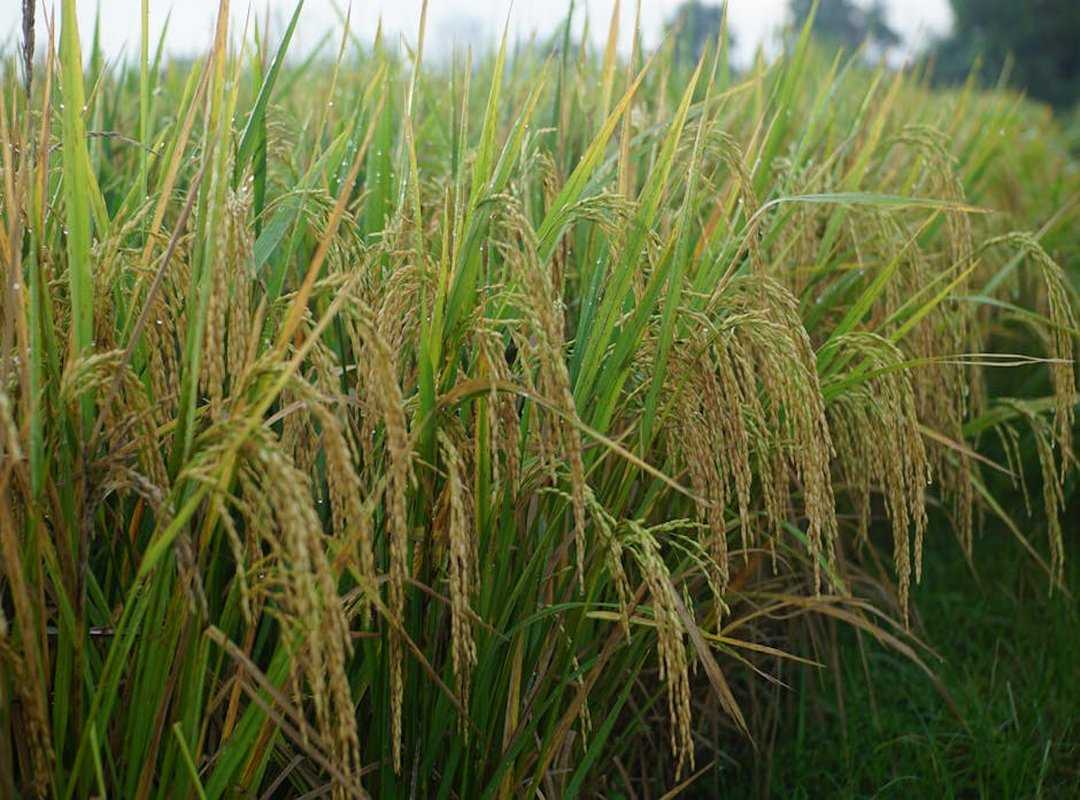
Sake and mirin are the changing duo of Japanese seasoning. Both start with rice but play different roles in the kitchen. Sake adds savory depth, making your dish richer and more complex.
It’s like adding a bass line to a song. Mirin, on the other hand, is sweet and smooth, perfect for glazing and balancing saltiness. Here’s a tip: if your dish tastes flat, try sake.
Too salty? A dash of mirin can save the day.
Now, let’s talk about komezu (rice vinegar). It’s gentler than Western distilled white vinegar. Imagine a whisper compared to a shout.
Its mild, slightly sweet flavor is important in making sushi rice. Without it, sushi would be… well, sad. Komezu is also key in sunomono, the refreshing vinegared salads.
Take a simple cucumber salad, for example. Add a dash of komezu, and you’ve got a light, tangy dish that’s perfect for cutting through richer flavors.
Japanese fermented foods are all about balance. Each ingredient has its role, like instruments in an orchestra. And if you’re curious about blending these flavors with other cuisines, consider mastering art french cuisine for some unexpected but delightful combinations.
After all, culinary exploration is just as important as tradition.
A World of Pickles: Getting to Know Tsukemono
I love Japanese food. It’s not just about sushi or ramen. Dig deeper and you find the heart of it (tsukemono,) or “pickled things.” They’re everywhere in Japan.
You can’t escape them (and you wouldn’t want to). They’re the unsung heroes of a traditional meal, adding texture, color, and that much-needed zing to rich dishes. Who doesn’t want that?
Take umeboshi, the famous pickled plums. These little guys pack a punch with their intense salty and sour kick. It’s not just a flavor; it’s an experience.
A wake-up call for your taste buds. Imagine it with rice. It cuts through like a culinary sword, offering a balance.
Perfect as a filling for onigiri too. You know, those rice balls you’ve seen in anime.
Then there’s gari, pickled ginger. If you’ve eaten sushi, you’ve had this. It’s not just a pretty pink decoration on your plate.
Gari serves a real purpose. It cleanses the palate between bites of fish. This way, you appreciate each piece for its unique taste.
Can you imagine sushi without it?
Japanese fermented foods like these provide a refreshing contrast to heavier dishes. They make meals exciting, turning ordinary into extraordinary. Without tsukemono, a Japanese meal just wouldn’t be the same.
It’s like watching a movie without popcorn. Wouldn’t you agree?
Taste the Tradition
Feeling stuck with the same tired flavors? I get it. Discovering japanese fermented foods isn’t daunting; it’s an adventure.
You’ve got a world of taste at your fingertips, and it starts with a simple step. Try picking up white miso or mirin to instantly transform your cooking. Remember when meals felt limited to just salt and pepper?
Not anymore. What will you choose to experiment with first? Dive into this new area of taste and bring lively flavors to your table.
Your culinary adventure awaits. So, which ingredient will you try first? The choice is yours.
 Founder & Culinary Innovation Director
There is a specific skill involved in explaining something clearly — one that is completely separate from actually knowing the subject. Sylric Xelthorne has both. They has spent years working with curious insights in a hands-on capacity, and an equal amount of time figuring out how to translate that experience into writing that people with different backgrounds can actually absorb and use.
Sylric tends to approach complex subjects — Curious Insights, Culinary Buzz, Fusion Meal Ideas being good examples — by starting with what the reader already knows, then building outward from there rather than dropping them in the deep end. It sounds like a small thing. In practice it makes a significant difference in whether someone finishes the article or abandons it halfway through. They is also good at knowing when to stop — a surprisingly underrated skill. Some writers bury useful information under so many caveats and qualifications that the point disappears. Sylric knows where the point is and gets there without too many detours.
The practical effect of all this is that people who read Sylric's work tend to come away actually capable of doing something with it. Not just vaguely informed — actually capable. For a writer working in curious insights, that is probably the best possible outcome, and it's the standard Sylric holds they's own work to.
Founder & Culinary Innovation Director
There is a specific skill involved in explaining something clearly — one that is completely separate from actually knowing the subject. Sylric Xelthorne has both. They has spent years working with curious insights in a hands-on capacity, and an equal amount of time figuring out how to translate that experience into writing that people with different backgrounds can actually absorb and use.
Sylric tends to approach complex subjects — Curious Insights, Culinary Buzz, Fusion Meal Ideas being good examples — by starting with what the reader already knows, then building outward from there rather than dropping them in the deep end. It sounds like a small thing. In practice it makes a significant difference in whether someone finishes the article or abandons it halfway through. They is also good at knowing when to stop — a surprisingly underrated skill. Some writers bury useful information under so many caveats and qualifications that the point disappears. Sylric knows where the point is and gets there without too many detours.
The practical effect of all this is that people who read Sylric's work tend to come away actually capable of doing something with it. Not just vaguely informed — actually capable. For a writer working in curious insights, that is probably the best possible outcome, and it's the standard Sylric holds they's own work to.