French cooking has a reputation, doesn’t it? It’s seen as a culinary mountain, intimidating and exclusive to posh restaurants. But that’s just smoke and mirrors.
The truth? The fundamentals of French cooking are surprisingly simple. It’s all about technique and respect for the ingredients, not convoluted recipes.
I’ve been obsessed with breaking down global cuisines into easy bites, making them accessible to everyone. Why should French cuisine be any different?
This guide is your backstage pass to french cuisine basics. We’ll dig into the core techniques, sauces, and pantry staples that will arm you with confidence and joy in the kitchen. This isn’t just another recipe list.
It’s a roadmap for understanding the ‘why’ behind those mouthwatering results. Ready to start experimenting on your own? You’re in the right place.
The French Philosophy: Mastering Mise en Place
French cuisine basics might seem intimidating, but let me tell you, it’s all about Mise en Place. This isn’t just about lining up your spices like a drill sergeant (though that helps). It’s the secret to cooking that makes you look like you waltzed right out of a Parisian kitchen.
When everything’s in its place, life (and cooking) flows smoother. Imagine trying to build IKEA furniture without sorting your screws first. Same chaos, right?
Now, about those ingredients. The French have a love affair with quality. Fresh, seasonal, high-quality stuff.
They don’t mess around with mediocre. Why? Because when you use simple ingredients and treat them with respect, the flavor payoff is extraordinary.
It’s like hearing your favorite band play live compared to a scratched CD. Big difference.
Here’s a quick hit list: shop seasonally, use good butter and salt (seriously, it matters), avoid overcrowding your pan, and taste as you cook. These seem small, but they can raise your dish from “meh” to “magnifique.”
You might be thinking, “Is this really that key?” Absolutely. Mastering this mindset is the key to understanding French cooking. Once that clicks, you’ll see the magic happen in the kitchen.
It’s like flipping a switch.
Oh, and if you’re into culinary adventures, you might enjoy Exploring Japanese Fermented Foods. It’s a world of flavor waiting to be explored. Different cuisine, same dedication to quality.
Your Flavor Toolkit: The Five Mother Sauces
Let me tell you something about French cuisine basics. If you want to make your meals sing, understanding the five “mother sauces” is a game-changer. These aren’t just sauces.
They’re your culinary operating system, opening the door to a universe of flavors.
First up, Béchamel. It’s the creamy one. Imagine a velvety white sauce cascading over lasagna or a croque monsieur.
The beauty is in its simplicity: milk, butter, flour. But here’s a twist (add) cheese, and you’ve got a Mornay sauce. It’s like a warm hug from your favorite sweater.
Velouté is next. It’s silky, smooth, and perfect for when you want something more refined. Made with white stock (think chicken or fish) and a roux, it’s ideal for anything light.
Ever had chicken with an elegant, golden sauce? That’s Velouté doing its magic. It elevates dishes without screaming for attention.
Now, let’s talk Espagnole. The rich one. This is your brown stock king, often beef or veal.
It’s the heart of hearty. Picture a slab of red meat, slathered in deep, luscious sauce. It’s your go-to for those meat-lovers moments.
Hollandaise, oh man, the buttery one. Eggs Benedict wouldn’t exist without it. An emulsification of egg yolk, butter, and a hint of lemon juice.
It’s a dance between rich and tangy. Suddenly your breakfast becomes something you’ll dream about.
Finally, Tomate. The versatile one. Yes, tomato sauces are common, but here the French add stock and herbs for depth.
It’s not just about tomatoes; it’s about layers. It’s the base for so many things, and yet, it’s always surprising.
Understanding these sauces can transform your cooking. They’re like tools in a chef’s toolkit. For more on french cuisine basics dive into resources that break down these essentials.
So, next time you’re in the kitchen, grab your flavor toolkit and play. There’s a world of dishes waiting to be explored. Why not start now?
French Kitchen Magic: Sauté, Braise, Deglaze
Let’s talk about sautéing. The word means “to jump” in French, and that’s exactly what your ingredients should be doing. High heat, a little fat, and constant movement are the keys.
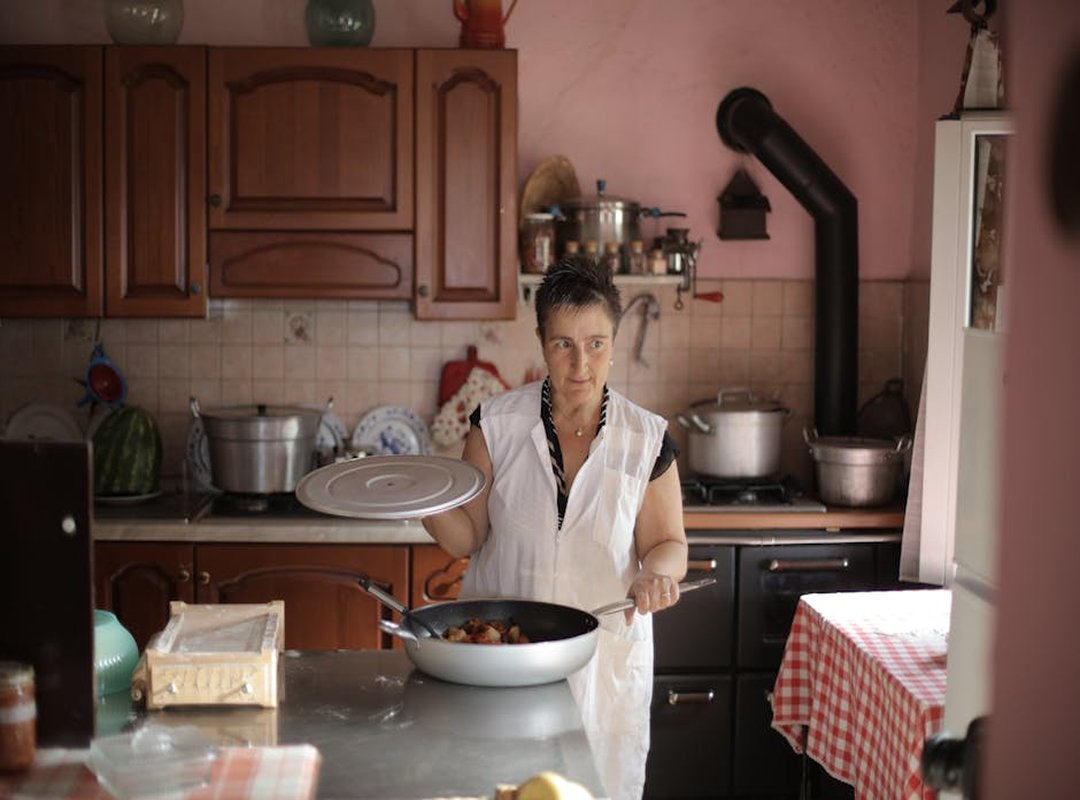
You’re aiming for a beautiful brown color that screams flavor. It’s quick, it’s fast, and it’s the kind of thing that makes you look like you know your way around a kitchen. This is one of those french cuisine basics you can’t skip.
Now, on to braising. I call this the “low and slow” magic trick. It’s a two-step process: first, you sear your meat or vegetables to lock in flavor and color.
Then, you let it cook slowly in a covered pot with some liquid. The result? Tough cuts of meat become tender enough to fall apart.
It’s like magic. Seriously, who doesn’t want that?
Finally, let’s dig into deglazing. No flavor left behind here. After sautéing, you toss in some liquid (wine) or stock works great.
And scrape up all those browned bits (the fond) from the pan. This is where your pan sauces get their incredible, concentrated flavor. It’s simple, but the impact is huge.
If you’re serious about cooking, these techniques are your new best friends. They might sound fancy, but once you master them, you’ll realize they’re more straightforward than you’d think. Plus, they make you look like a pro.
Want to impress your guests? Practice these.
Oh, and if you’re curious about expanding your culinary horizons beyond French basics, check out some mexican culinary staples know. Mixing techniques from different cuisines can take your cooking to new heights. Pro tip: never be afraid to experiment. the fun really begins.
Your Flavor Foundations: Building a Simple French Pantry
Think French cuisine basics mean pricey, hard to find ingredients? Think again. A French pantry is about accessible flavor boosters.
Let’s chat about the essentials.
Good Butter is key. It’s not just for greasing a pan. The richness and depth it brings to dishes is unmatched. I can’t imagine cooking without it.
Shallots and garlic? They’re the aromatic backbone of French cooking. Picture your favorite dish.
Chances are, these are in there somewhere, enhancing everything.
Dijon mustard. It’s a staple for vinaigrettes and sauces. Adds just the right sharp, tangy kick.
Herbes de Provence or bouquet garni adds that signature French flair. It’s a classic herb mix (think thyme and rosemary). These herbs transform a dish from bland to brilliant.
You know how sometimes you just need a little zing? This is it.
And what about wine? Use good cooking wine (both white and red). You want something you’d actually drink.
It’s not just for deglazing; it adds depth and character.
Lastly, quality stock. It’s the backbone of sauces and braises. Without it, dishes fall flat.
Trust me, these basics will raise your kitchen without breaking the bank.
Dive Into Your French Kitchen
Think French cooking’s too hard for home chefs? I get it. But you’ve now unlocked the essentials.
You have the mindset, a sauce toolkit, core techniques, and a simple pantry list. French cuisine basics aren’t about complexity; it’s about mastering a few key concepts. It’s simpler than you think.
So, what’s stopping you? This week, pick something. Maybe deglaze a pan after cooking chicken or focus on your mise en place.
Start small.
Celebrate every step. Why wait? Dive into your own culinary adventure.
Make that first attempt. It’s time to turn intention into delicious reality.
 Kitchen Operations & Prep Specialist
There is a specific skill involved in explaining something clearly — one that is completely separate from actually knowing the subject. Brandon Schwartzimba has both. They has spent years working with culinary buzz in a hands-on capacity, and an equal amount of time figuring out how to translate that experience into writing that people with different backgrounds can actually absorb and use.
Brandon tends to approach complex subjects — Culinary Buzz, Curious Insights, Fusion Meal Ideas being good examples — by starting with what the reader already knows, then building outward from there rather than dropping them in the deep end. It sounds like a small thing. In practice it makes a significant difference in whether someone finishes the article or abandons it halfway through. They is also good at knowing when to stop — a surprisingly underrated skill. Some writers bury useful information under so many caveats and qualifications that the point disappears. Brandon knows where the point is and gets there without too many detours.
The practical effect of all this is that people who read Brandon's work tend to come away actually capable of doing something with it. Not just vaguely informed — actually capable. For a writer working in culinary buzz, that is probably the best possible outcome, and it's the standard Brandon holds they's own work to.
Kitchen Operations & Prep Specialist
There is a specific skill involved in explaining something clearly — one that is completely separate from actually knowing the subject. Brandon Schwartzimba has both. They has spent years working with culinary buzz in a hands-on capacity, and an equal amount of time figuring out how to translate that experience into writing that people with different backgrounds can actually absorb and use.
Brandon tends to approach complex subjects — Culinary Buzz, Curious Insights, Fusion Meal Ideas being good examples — by starting with what the reader already knows, then building outward from there rather than dropping them in the deep end. It sounds like a small thing. In practice it makes a significant difference in whether someone finishes the article or abandons it halfway through. They is also good at knowing when to stop — a surprisingly underrated skill. Some writers bury useful information under so many caveats and qualifications that the point disappears. Brandon knows where the point is and gets there without too many detours.
The practical effect of all this is that people who read Brandon's work tend to come away actually capable of doing something with it. Not just vaguely informed — actually capable. For a writer working in culinary buzz, that is probably the best possible outcome, and it's the standard Brandon holds they's own work to.